The Power of Peer Support: Building Circles of Kindness

Imagine a world where high school corridors echo not with whispers of rumors but with laughter, where social media feeds are peppered with encouragement rather than put-downs. Sounds idyllic, right? Well, hold onto your hats because ‘Peer Support’ might just be the golden ticket to making those dreams a reality. Bullying, despite how ancient its roots, remains a challenge across all age groups. However, the strategy of combating it has evolved; it’s no longer about standing up solo, but about standing together. Peer support acts as this incredible bridge, offering a hand when loneliness looms large, creating networks of understanding that make bullying shrink back into the shadows. In a society that often feels divided, circles of kindness shine like beacons, showing that unity isn’t just a pipe dream but a tangible movement. So keep reading to discover how friendship dynamics, intertwined with a healthy dose of humor and humanity, can turn battles against bullies into moments of empowerment and connection.
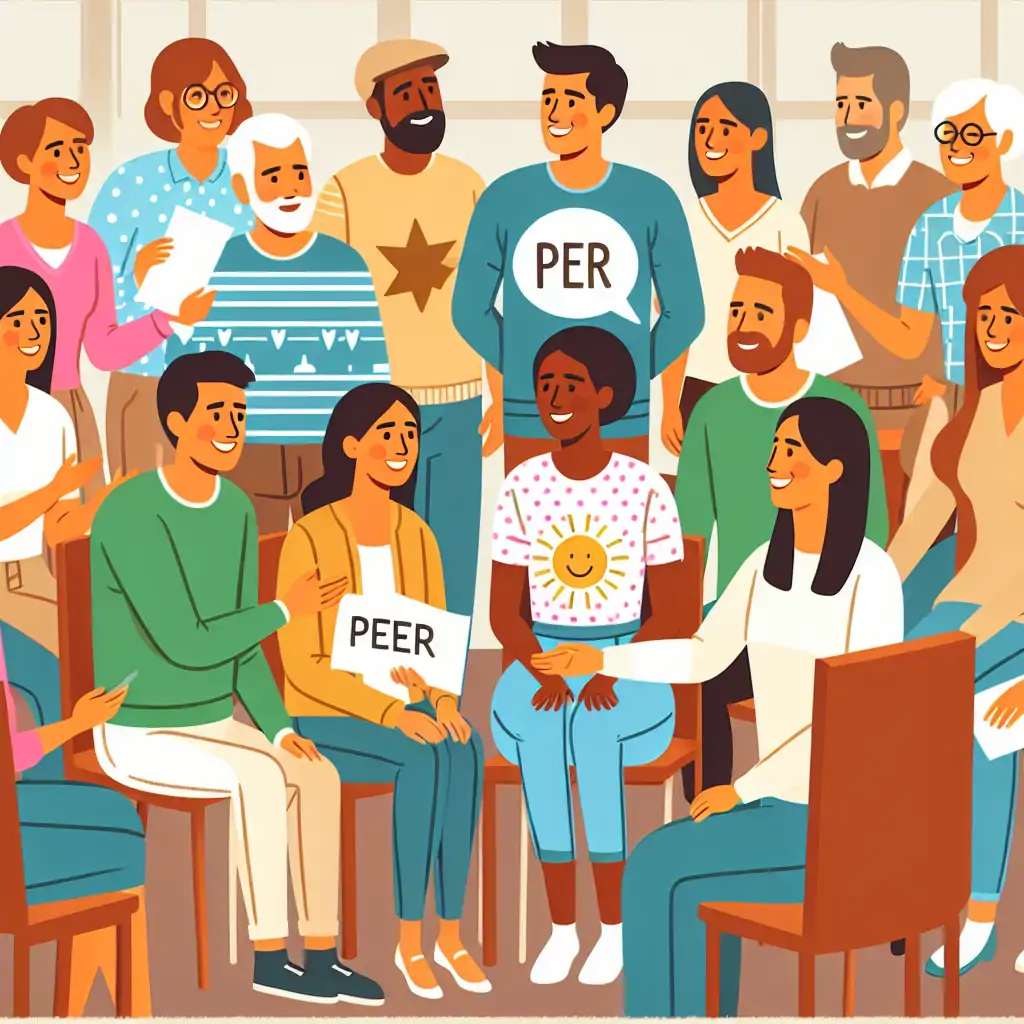
Bullying often thrives in environments where feelings of isolation and vulnerability dominate. But let’s flip the script for a moment. What if, instead of isolation, we built bridges? Peer support initiatives are like crafting community-hugging blankets that provide warmth, understanding, and the unmistakable feeling of not being alone. Studies consistently show that having even one supportive friend decreases the likelihood of depression and anxiety among bullying victims. In essence, a supportive peer can play a role as significant as a superhero. According to a study published in the Journal of Youth and Adolescence, students participating in peer support programs experienced a 57% reduction in reported bullying instances. The takeaway? A little kindness can pack a mighty punch. Not only does peer support serve as an immediate rescue line, but it also instills resilience and fosters an environment where empathy becomes second nature.
Creating these circles of kindness is more than just about standing up; it’s about laying down golden rules of inclusivity. Picture this: a committee of students dedicating lunchtimes to being ‘Friendly Friday Warriors,’ whose sole mission is to sit with anyone eating alone. It’s about opting for inclusion over exclusion and making every person feel they are indeed part of something greater. The act may seem small, like the equivalent of tickling a stringed harp instead of plucking Beethoven’s Fifth, but it carries the harmonic power to change a life. It creates space for dialogue, making challenges feel more surmountable rather than solitary. These interactions chip away at the walls built by bullying, replacing them with open doors and welcoming smiles. A school-wide ‘Circle of Kindness Day’ can redefine social norms, normalizing kindness as the cool kids’ agenda.
While peer support acts as a cultural shift, the same can be said for how it addresses the root of anger—misunderstanding. Think about every superhero origin story involving an underdog rising above through the power of community. Bullying is often born out of misunderstanding, fear, or projecting one’s insecurities onto others. Peer support groups serve as platforms for dialogue, where understanding one another ceases to remain a notion and becomes a reality. Giving a voice doesn’t only mean telling your story of struggle but listening to another’s journey. As these stories intertwine, the images of the misunderstood bully and victim transform into individuals with shared experiences and human stories. Tackling bullying isn’t a one-man job; it’s a community effort, a beautifully choreographed dance involving every participant sharing a piece of their narrative.
Once upon a time, bullies reigned supreme, rocking power like leather jackets, but the real rockstars of change are those standing shoulder to shoulder against injustice. Implementing peer support encourages the development of empathy from a young age. Schools can form programs where older students mentor younger ones, providing guidance and a friendly ear to confide in. This labor of love doesn’t just prevent bullying; it cultivates responsibility, nurtures emotional intelligence, and transforms empathetic kids into well-rounded adults. When you lace kindness into the fabric of education, the results drip-feed into every corner of societal interaction. It creates the template for a more holistic future, teaching that what’s equally cool, if not cooler, than retaliation is advocacy and understanding.
Beyond schools, peer support is pioneering its way into workplaces, showcasing promising outcomes. Picture an office where team members are trained allies, armed with skills to tackle workplace bullying through workshops. Just as peer support holds sway in childhood settings, it redefines adult environments, offering the strength of collective resilience. With reports suggesting that workers experiencing bullying are twice as likely to take sick leave, creating nurturing environments pays off—in business and morale. Here lies the epitome of peer strength: organizations building inclusive cultures through compassion-based strategies. Kindness acts like a safety net, ensuring that when one falls, there’s always someone to break the fall with a metaphorical parachute of understanding, turning workplace obstacles into collaborative problem-solving adventures.
The secret sauce to successful peer-support programs lies in their ability to evolve with social consciousness. Take some cues from tech-savvy youth leading campaigns with hashtags like #KindnessMatters. Digital platforms and social media are indeed double-edged swords, but they can harness the power of peer support on a global level. Online support communities can utilize apps to check in on friends, organize rewards for promoting kindness, and signal when someone might need a lifeline. Within these virtual landscapes lie opportunities for change, linking kids from different continents through shared values and kindness missions. Hence, social media becomes not a battleground but a playground of positivity where circles of kindness know no border.
While peer support showcases potential, it’s essential to remember that bullying challenges vary in complexity. This means solutions must be comprehensive, innovative, and flexible, like ordering patronspecific pizza toppings to suit different palates. Schools and communities must invest in professional training, ensuring mentors are equipped to manage sensitive situations. Integrating counselors with peer supporters ensures both emotional understanding and professional intervention walk hand in hand, indispensable for handling severe cases. It’s the trio of listening, supporting, and professional guidance that lays the groundwork for sustainable transformation, underlined by a commitment to nurturing long-term relationships rooted in kindness.
Inspiring stories emerge as beacons for how peer support changes the narrative for many. Consider the story of a high school bullying victim who, supported by her peers, led a kindness campaign that sparked a nationwide challenge. Grassroots movements focused on peer support often carry larger-than-life impacts, inspiring both local and wider communities. Empowering students to lead by example works like magic, altering perceptions faster than you can say ‘Friendship Power.’ This dynamic isn’t limited to teenagers—community leaders, corporations, and influencers mobilizing peer support on broader scales can further extend these ripples of influence. Where compassion-based strategies flourish, cynicism invariably takes a backseat.
Let’s dial it down to basics. Encouraging everyone to live by the mantra ‘Be kind, for everyone you meet is fighting a hard battle’ collects invaluable social dividends. Incorporating hope and humor into peer support strategies showcase that uplifting spirits is more than just a seasonal fad, it’s a year-round movement. Tapping into the collective humor, people find resilience through laughter. Knowing you are not alone makes multiple burdens lighter, and who doesn’t love sharing a giggle even under challenging circumstances? Peer groups offer a safe space where members can dance through difficulties in sync, reminding everyone involved that kindness, even slightly awkward, is invariably better together.
Another salient aspect of peer support lies in acknowledging individuality within the collective. No two people perceive bullying the same way, just as no snowflake mirrors another. Celebrating differences by promoting activities where voices and perspectives blend enriches the dialogue around bullying. It's like assembling a delicious multi-layered cake, with each ingredient bringing something unique to the table. Fine-tuning activities that focus on inclusivity and diversity holds the key to weaving long-lasting friendship threads and sparking creative problem-solving techniques. It’s these varied layers of experience within peer groups that bolster understanding, inspire out-of-the-box solutions, and promote a perception shift from ‘me versus you’ to ‘us’ as a whole.
Perhaps the most heartwarming aspect about circles of kindness is their adaptability across cultural contexts. These strategies don’t demand an overhaul of traditions but subtly slip into local values without compromising their essence. It’s like planting the seeds of cherishing human connection and letting them grow, nurtured by respect for differences. Peer support strategies that honor cultural uniqueness yet celebrate universal kindness bring authentic texture to efforts against bullying, turning campaigns into heartfelt human stories. Everyone gets an empty canvas where they’re free to unleash creativity and compassion, scrawling hope for every forlorn face all around the globe.
Encouragement through peer support also presents an exciting flip on traditional notions of authority. Imagine a scene where peer supporters stand side by side with teachers, collaborating for bullying awareness workshops, and empowering students not just as learners but as leaders. The tapestry of peer support allows children and adults alike to see themselves as active agents of change, fostering a culture where leadership qualities sprout organically. It’s a role reversal of wholesome proportions—a narrative where encouragement wins over fear, teamwork beats isolation, and growth isn’t only vertical but spans sideways, knitting bonds beyond school or work walls.
Investing in peer support champions a move towards long-term emotional health. It’s like picking fruits from the trees of empathy, guaranteed to sweeten the lives of recipients while simultaneously nourishing those delivering the kindness. Resilience weaving through these networks reduces the psychological toll of bullying, presenting opportunities where heartfelt stories replace stigmas attached to seeking help. Are you stuck in a rut or looking for solace? Peer support tools inspire strength in numbers, illustrating the potential to seamlessly convert one-time support systems into lifelong friendships that weather life’s many seasons.
Liz, a once-bullied student turned advocate, bears testament to peer support’s transformative power. Faced with relentless bullying, she found solace in a peer group that openly addressed these challenges, offering validation and understanding. Embracing their solidarity, Liz spearheaded a social media challenge—‘#KindnessRevolution’—motivating thousands to share their stories. These narratives acted like sunlight filtering through clouds, unveiling a connected world beyond school boundaries, showcasing that kindness isn’t limited to face-to-face encounters alone. Like Liz, thousands can take that leap from passive victims to poignant voices of change with the right support system shoring them up.
Alongside Liz, consider Jonathan, a former bully-turned-ally. Fueled by childhood insecurities, Jonathan lashed out until a peer, recognizing his pain, extended genuine friendship. Understanding the impact of his behavior, Jonathan sought personal growth, transforming into a program mentor who specialized in middle school peer support strategies. So successful was his metamorphosis that he even inspired a fictional depiction in a school play, portraying a kind-hearted peer who emerged victorious against internal demons, highlighting that everyone deserves a fresh start. Both Liz’s and Jonathan’s stories prove, time after time, how the power of communities can help navigate even the darkest facets of bullying, unveiling inner superheroes longing to burst forth.
Integrating peer support strategies often involves humor—a catalyst enabling honesty without judgment. Group activities like ‘Laughter Labs’ employ helpful humor, where comical skits dissect bullying scenarios, resulting in insight collection through fun. Laughter strengthens bonds, highlights shared benefits, and frames these workshops as empowering experiences instead of mundane detentions. When humor pours into discussions as an engagement tool, it dissolves barriers, redefining vulnerability as strength, not a source of ridicule. As participants band together over shared giggles amidst the safe space of camaraderie, the outcome is nothing less than cathartic.
As the peer support movement gains momentum, introducing exhilarating plays into classrooms worldwide illuminates collective influence. Consider school-planned ‘Empathy Olympics,’ where mingling students engage in games honed to enhance empathy and problem-solving techniques driven by non-competition. Unlike their traditional counterparts, these camaraderie competitions cultivate rejoicing in cooperative victories, drawing satisfaction from elevating someone’s spirit over personal triumphs. Peer support activities transform synergy upside-down, swiping cultural scrimmaging traditions into globetrotting unity through mindful inclusion. With every event signaling celebration, participants carry these experiences forward, recognizing each interaction as part of an empathetic universal narrative.
Peer support programs don’t merely occupy youth spaces; they infiltrate communities, magnifying social justice causes like tornadoes upending outdated norms. Circles of kindness spearhead progressive movements, demanding acknowledgment beyond troop numbers—such as organizing neighborhood watch strategies against group bullying with engaging community-based celebrations. Therefore, vulnerability isn’t a weakness, but strength radiating throughout peer-supported voices on global trade routes of empathy, ensuring each heart syncs messages of cooperation into transformation. Hence, citizenship strategies advance holistic companionship—a shining star leaving no one stranded on shores of solitude during turbulent societal tides.
Building peer support networks doesn’t require unattainable resources—only committed determination and consistently cultivating compassion filled with relationships. Organizations can develop initiatives like ‘Share Circles’ enabling peers to congregate monthly, sharing personal stories, triumphs, and moments requiring guidance without fear or doubt. Shared journeys attract newer allies while memories expand pitfalls into pathways of growth, inspiring alignment with peers who understand underlying complexities within. Once students, workers, or communities experience collective ownership driven by shared faith, bullying fades into distant reminders of dated cultures; cooperation enriches overlooked territories with acceptance, liberating past burdens beyond shackles of prejudice.
Reflecting on social behavioral studies, peer engagement carries evolutionary benefits—forging new ecosystems built upon enduring foundations and communal care. Kindness is contagious, expanding infinitely like sun-drenched skies spiraling across neighborhoods unbounded by distances. These connected networks thrive on exchanges, uniting disparaging actions through embrace whilst soothing misunderstanding’s bitter roots through compassion. Be it a classroom or corporate ecosystem, energy radiating from peer support schematics absorbs negative outbursts, protecting one another from harm while holding spirits tightly woven within circles of safety and understanding. Hence, rallies urging kindness spread as ripples evolving into waves, cresting with strength intertwined across boundless landscapes of eagerness and hope.
At the core framework lies responsive modeling, shaping school environments encouraging conscious reflection alongside nurture-driven interventions. Schools stepping forward into peer support frameworks elevate conversations formerly shadowed by ostracized individuals made visible through supportive allies, reframing unmanageable scenarios into opportunities for growth. Building youth-oriented programs that re-channel toxic interactions spreads tender narratives woven by heartfelt dialogue beyond constant battles through corrective actions based upon guideposts of empathy over ignorance. Educators now hold landscapes paving activism through teaching plans stimulating collective teachings, inspiring traditional conventions reexamined for potential revolutions etched upon fields overwrought by exclusion.
One significant facet of peer support allowing constructive dialogue—at times openly taboo—is blended learning processes extending across generations, promoting enforcement of dignity within interrelational dynamics. When students collect projects enhancing cultural diversity appreciation frameworks, involving parents or mentors in folded assistance illustrates opportunity outputs twice evolved. Demonstrating knowledge implications through encompassing generational understanding surpasses ordinary dialogues evolving intrinsic possibilities unaccounted within rigid topographies dictated prior by unyielding realities overshadowed by historical confines translated into open-minded innovations occupying fluid narratives ready to ignite genuine transformations.
Peer support castles anchor around relatable narratives, outputting pragmatic trajectories rectifying conventional constructs pursuing vigilant innovative opportunities no longer triumphed by judgmental paradigms mounted against exclusion’s barricades. Consider schools intertwining peer initiatives mixed into child-friendly community libraries promoting supervised interactive workshops for middle schoolers enhanced by student-run participation categories amplifying engagement within talent showcases. As academic prowess intertwines culturally inspired expositions delivered onto stages worldmise unpenned frontiers evolved through compelling facilitations earlier reserved unattainable before allowing resilient impacts emergent geopolitics shifting empathic connections inventively.
As monumental transformations accelerated globally, program acceleration inevitably influenced cultures worldwide re-evaluating modeling bound inclusivity illustrating accord honoring immeasurable contours redefined through unexpected conduits. Whether pioneering neighbors redefining vigilance toward bullying or residential efforts advocating youth-oriented empowerment initiatives dissuading social isolation—that former controversial ideology echoes exponentials reintroduced within revitalized structured channels tempered compassionate reform onward enriching verdant landscapes succeeding originary oppositions previously undiscussed altogether embraced. Hence educative initiatives nourishing former foreclosures bind practical enhancements driven empathetically ongoing.
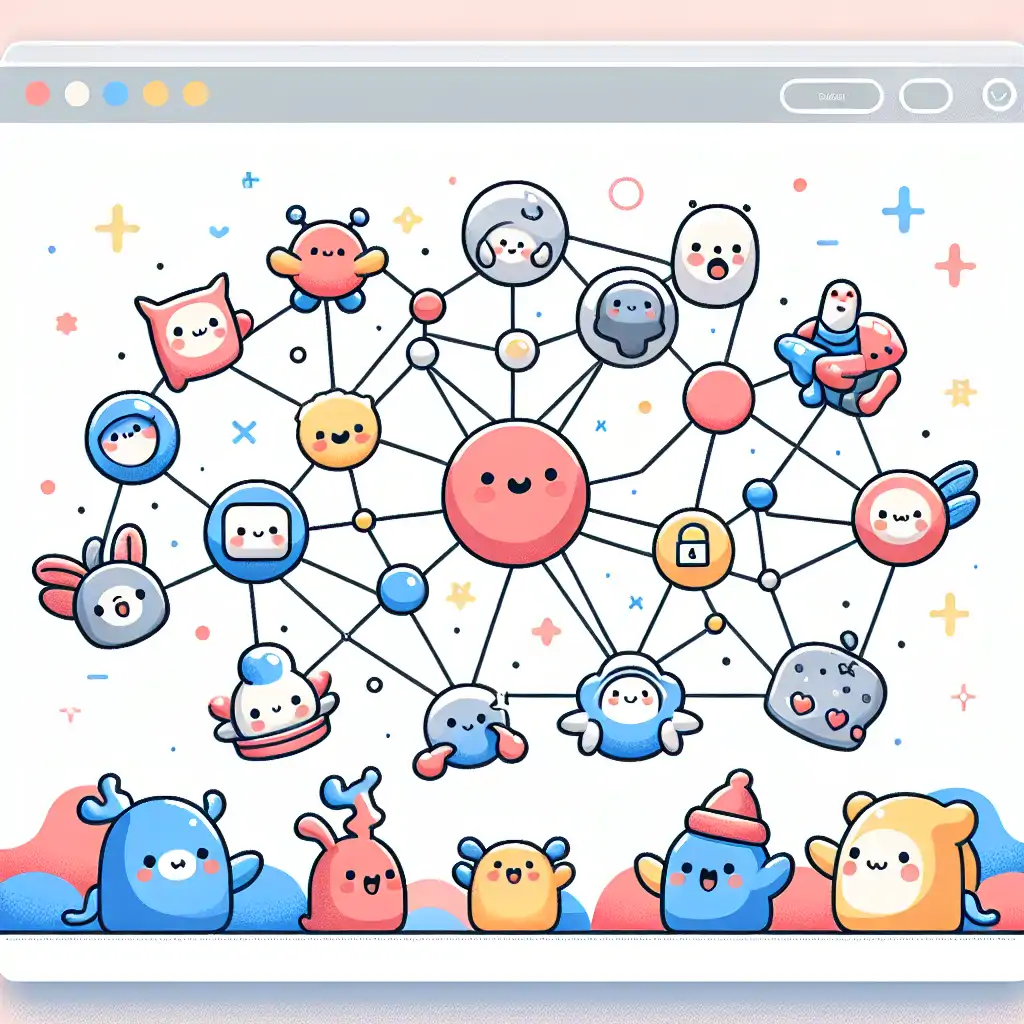
In closing, let’s take a moment to appreciate how peer support is crafting a world genuinely devoted to kindness. By building circles of kindness, we create communities where every individual feels a tangible sense of belonging, rewriting the story for both the bullied and bully alike. These efforts demystify fear, spread warmth, and open dialogues, allowing us to arise as united, thriving communities. The invaluable web of empathy that emerges reshapes lives—shifting from isolation to connection, silence to shared strength, and most importantly from bullying to belonging. Peer support isn’t just an act, it’s a rhythm—a contagious strength that outlasts trends, creating long-lasting societal legacies. Let’s champion these movements, transforming kindness into our collective anthem, guiding hearts toward a luminous future.
Thanks for taking the time to read my article! You may also find this one interesting.
Finding Your Voice: Speaking Up Against BullyingTil next time! Prijanka

Prijanka
Prijanka is a wellness coach and inspired blog writer. Drawing from her expertise in holistic health and her talent for motivating others, she writes insightful articles that empower readers to live healthier, more balanced lives, blending practical advice with a genuine passion for well-being.
A proud member of the B-Team
If you're curious to dive deeper into related topics, then you may find these external links useful.
1. StopBullying.gov - Peer Support Programs
Provides insights and resources on the importance of peer support in preventing bullying, highlighting successful strategies and evidence-based practices.
https://www.stopbullying.gov/2. American Psychological Association (APA) - The Role of Peer Support
Covers psychological studies and statistics on peer support's impact on reducing bullying and its effects on mental health.
https://www.apa.org/education-career/k12/bullying3. Edutopia - Building a School Culture of Kindness
Explores how schools can implement peer support and kindness initiatives, with examples of successful programs and practical tips.
https://www.edutopia.org/article/creating-positive-school-culture4. The Greater Good Science Center - Peer Support and Empathy
Discusses the role of empathy and emotional intelligence in peer support programs, backed by scientific research and case studies.
https://greatergood.berkeley.edu/topic/empathy5. UNICEF - Tackling Bullying Through Peer Support
Focuses on the global perspective of peer support programs in schools, featuring UNICEF's efforts to combat bullying worldwide.
https://www.unicef.org/media/66496/file/Behind-the-Numbers.pdf©2023 - 2026 SP Software Solutions Ltd. All rights reserved.