Finding Your Voice: Speaking Up Against Bullying
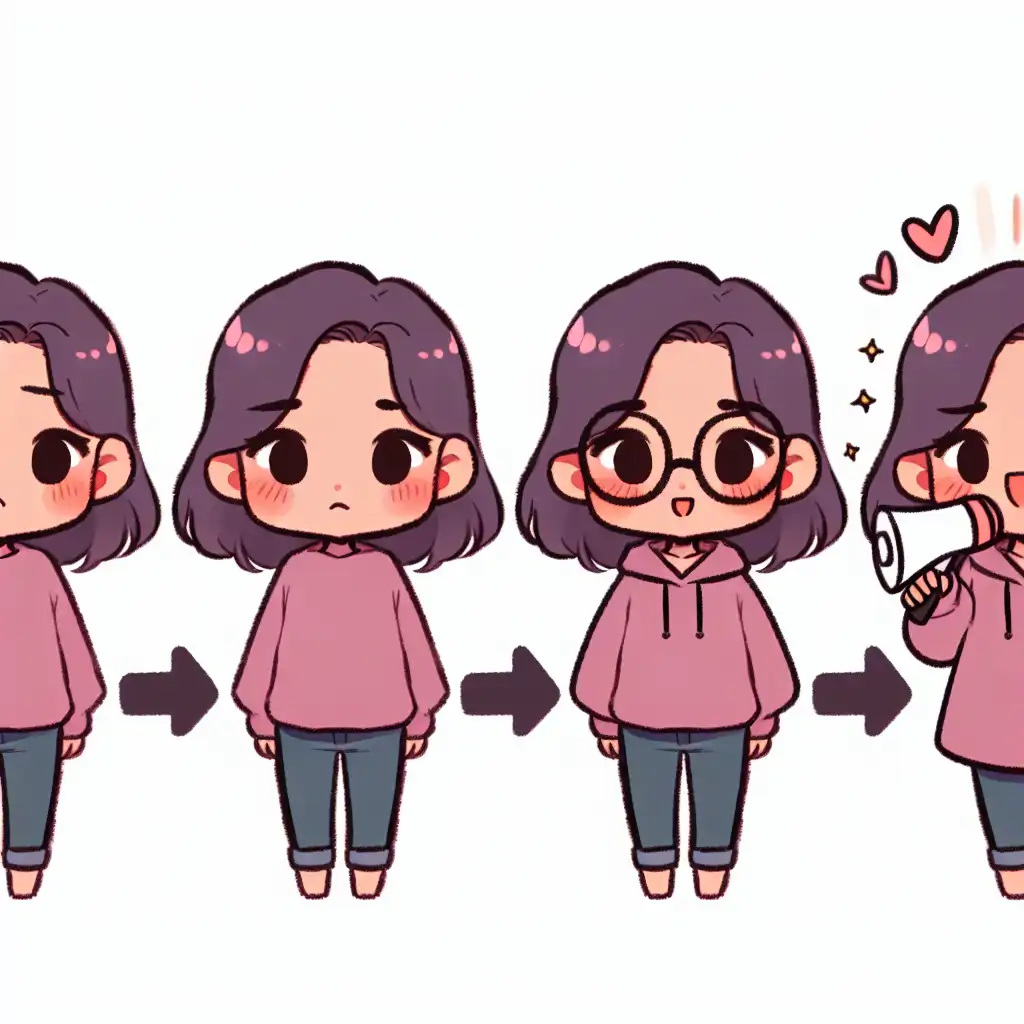
In a world where, ironically, the loudest and most unpleasant noises often come from bullies, standing up and speaking out might seem as daunting as singing karaoke when you’ve never hit a note right in your life. Yet, finding your voice is one of the most empowering tools you can wield against bullying. Too often, silence becomes a tacit endorsement, and we refuse to let that continue. Welcome to a journey of vocal empowerment, where we learn to unravel the dynamics of bullying, discover the art of assertive communication, and ultimately become advocates for ourselves and others. As terrifying as confronting a bully might feel, remember this—your voice is a secret weapon wrapped in unimaginable power and waiting for you to discover it. Let's turn our tongues into tools of change and transform our environments into places where empathy and support reign supreme.
At the heart of bullying lies an imbalance of power, often maintained under the heavy cover of silence. Speaking up isn't just about pushing sound waves in the air; it’s about shifting dynamics and causing cracks in the façade of aggression. With research showing that more than 20% of students experience bullying, and with profound long-term effects on mental health, the importance of dismantling these structures becomes clear. This blog will explore why finding your voice can alter the trajectory of bullying, providing you with the strategies needed to overcome fear and hesitation. From learning to articulate yourself through assertive communication techniques to rallying community support, each of us holds the power to tip the scales in favor of justice and understanding.
Finding your voice is not just a shout into the void; it's a declaration that resonates. When one person speaks up, it can inspire a chorus of confidence among others who have felt voiceless. Whether it’s in classrooms, workplaces, or online communities, each environment can become a setting where the collective voice drowns out the negativity. We're not just talking about standing up to bullies but fostering understanding and empathy across the board. With this blog, embrace the chance to turn hesitation into courage, to share your story, and to inspire change by harnessing the unique sound of your voice. Whether it's a whisper or a roar, your voice is necessary. Prepare to stand up, not just for yourself, but for many who have felt silence as their only option.

Bullying is unfortunately universal, an unwelcome guest who shows up at schools, workplaces, and even online spaces. The common thread? Silence often plays its trusty sidekick. When people hesitate to speak up, whether out of fear, uncertainty, or lack of support, silence sits back with its arms crossed, ensuring the status quo remains undisturbed. But the status quo is something we’re here to disrupt. By understanding the dynamics of silence, you can more effectively plot your confrontation strategy just as tactfully as one might choose a karaoke song that gets everyone moving.
Within the world of bullying, the power imbalance is palpable. Researchers have found that bullying victims can experience depression, anxiety, and a notable decline in academic and professional performance. In essence, the effects ripple through every aspect of a person's life. Yet, introducing the power of voice can be a game-changer. When we speak up, we activate a shift in power from the bully back to the community. It's like upgrading from a clunky old microphone to a state-of-the-art sound system—suddenly, things are brighter, louder, and a whole lot more balanced.
Now, let's dance along the path of assertive communication—an art everyone can master, even if you're currently the strong-silent-type in your social group. Assertive communication allows you to express your thoughts, feelings, and needs in a direct yet respectful manner. It’s not about shouting louder than your neighbor; it’s about ensuring your voice is heard with clarity and confidence. Start with simple 'I feel' statements that let those around you know where you stand. For example: 'I feel undervalued when interrupted during meetings.' Remember, we're all learning to strut our vocal stuff, one practiced step—or in this case, spoken word—at a time.
Building a supportive network is another dynamic strategy in your vocal toolkit. Like a chorus that amplifies the voice of a solo singer, having allies amplifies your strength against bullies. Friends, colleagues, and mentors can provide the reinforcement to ensure that your voice echoes without faltering. Studies have confirmed that having a solid support network increases resilience and decreases the likelihood of succumbing to bullies' influence. So, gather your crew, hit the emotional stage together, and watch those bullies shrink into their spotlight, feeling less invincible with every high note you collectively hit.
A pivotal element of finding your voice involves confronting the ever-looming shadow of fear. But how do you overcome the fear of repercussions or further alienation? The key is recognizing fear for what it is—a perceptual superstar that’s great at stage presence but lacks substance when you face it head-on. Begin by acknowledging your fear; it's perfectly permissible to feel apprehensive. Then, break down the intimidation into manageable pieces—as one might dissect a cacophonous tune into individual harmonious notes.
Consider fear as your personal vocal coach, encouraging you to hit those high (and low) notes of empowerment. Move toward mindfulness practices that center your thoughts, and work through scenarios that you fear might arise from speaking up. This cognitive rehearsal amplifies your confidence, so when it’s time to shine, your voice doesn't falter. As you face each situation, remember that your courage, even in small doses, can inspire positive transformations not only within you but within the broader community.
Online bullying can feel especially overwhelming—an annoying remix that repeats and distorts every word you've ever said. Here, speaking up might require alerting authorities, reporting abusive behavior, or calling on allies. Internet trolls thrive on silence, so becoming a vocal presence ensures that they neither flourish nor replicate. Many social platforms offer tools to combat harassment, and familiarizing yourself with these options can arm you with the support you didn't know was an option.
Allies can also be found outside of immediate circles. Connecting with advocacy groups dedicated to anti-bullying efforts can boost your confidence and awareness. These groups are often filled with individuals who’ve felt silenced and are now harmonizing their voices to make impactful changes. Engaging with them is like being part of a well-rehearsed band—each one contributes to creating a moving melody that rings out across wider audiences, including policymakers and educators.
Shifting dynamics is as much about self-perception as it is about community perception. Reframe your narrative by recognizing your strengths and valuing your experiences. Self-affirmation is key; nurture self-respect and remind yourself that your voice is not only valuable but necessary. Implement positive self-talk and celebrate small victories where your voice made an impact. These changes, seemingly minor, are transformative and can turn hesitant whispers into confident declarations.
Education plays a powerful role in overcoming bullying and empowering voices. Schools and workplaces that incorporate anti-bullying programs create environments where assertiveness becomes second nature, not an anomaly. Encouraging dialogue about the effects of bullying and how to counter it can educate those unaware of the dynamics at play. Arm yourself with knowledge, and share it like you would a great playlist—often, and with everyone who needs a little more harmony in their lives.
Creating environments that encourage openness requires continuous effort, but are profoundly rewarding. Engage in conversations, workshops, or online forums that focus on understanding, empathy, and inclusion. Such platforms widen perspectives and deliver opportunities for insightful exchanges. The result? Communities where everyone's voice, regardless of pitch or experience, is deemed valuable. This collective vocal brilliance creates cultures where bullying finds no fertile ground to take root.
Let's dive into storytelling, which allows us to turn personal experiences into tales of resilience and support. Sharing personal journeys doesn’t just amplify your voice; it creates connections that bridge empathy gaps. With platforms, both traditional and digital, your story can reach those who might need inspiration to find their own voice. Lift others by narrating tales that, once untold, are now celebrations of triumph against bullying.
Navigating the waters of speaking up against bullies can sometimes feel like paddling against a strong current, but keep in mind you're in good—or rather, great—company. Plenty of public figures and famous personalities have dealt with bullying and utilized their voices to advocate for change. Let them guide you and embrace their stories of overcoming adversity as motivational anthems during your journey. As they say, the more the 'merrier' the melody!
Music itself can be a fantastic vehicle for both personal reflection and vocal empowerment. Songs that resonate with the themes of standing up and overcoming obstacles can provide the emotional lift you need. Carefully crafted lyrics can become mantras, and rhythmic beats can pulse alongside your heartbeat, instilling courage. Curate a playlist that reminds you to speak up and remind you of your worth each time you hit play.
Finding your voice might seem a daunting theory at first glance, but as practice becomes consistent, confidence emerges stronger with each effort. Different people move toward empowerment at varied paces; think of it like improving your dance moves—some become a spinning sensation overnight, others build up over time. Focus on progress rather than perfection. Each interaction where your voice is utilized is a triumph deserving of applause.
Crafting a mantra can serve as a reminder of your vocal power. Whether it's a simple 'I will be heard' or 'My story matters,' let it be your rallying cry. Anchor yourself to these words, repeating them until they become second nature. Speak them with conviction, and you’ll discover the ripple effect—empowering others to find and amplify their own voices.
The next step to becoming a vocal advocate involves active involvement in advocacy events and campaigns. Participating in rallies, petitions, or informational sessions provides a platform to amplify your message, further expanding your network of allies. Such experiences can solidify your role as a spokesperson for change, giving you opportunities to inspire others who, like you, may have initially struggled to find vocal courage.
Empathetic listening is another superpower worth mastering. When someone trusts you enough to share their story, listen without interruption and engage without judgment. For shared stories spark deep connections, and in responding, you show unwavering support with your voice. This respectful dialogue is fundamental in reshaping environments where bullying is less likely to thieve well-being from victims.
While we've talked about speaking up, it's also crucial to explore how to effectively challenge bullies with empathy. Aim to understand the motivations behind their behavior without condoning it. Engaging in compassionate dialogue can sometimes turn adversarial situations into educational moments. These strategies can convert potential conflict into a conversation where understanding takes precedence over blame.
Becoming a confident communicator takes time, so embrace patience and perseverance as core values during your journey. Practice different communication techniques and evaluate their impact, adjusting where necessary. With time and practice, adaptability emerges, and your vocal compass becomes reliably accurate in navigating various scenarios.
Bear in mind that setbacks may occur—perhaps the conversation doesn’t unfold as expected, or fear silences your intended message. Understand that these moments are part of the journey, grounds for cultivating resilience. Approach each day anew, knowing that stumbling blocks are not insurmountable barriers, but integral components of your personal growth as a vocal advocate.
Allow stories of transformation to motivate your resolve. Many who have faced bullying returned stronger, using their voices to champion change. Capture the inspiration embedded within these narratives and use them to forge your path. Celebrate not only progress but the process of bringing your talents and perspectives into bold visibility.
Acknowledging diversity means acknowledging every unique voice within your surrounding environments. Diverse perspectives contribute to collective harmony; they enrich dialogues and enable understanding. Embrace diverse narratives as a choir of humanity, where distinct voices evoke both empathy and progress.
Ultimately, remember—from whispers to resonant roars, every voice one uses reverberates beyond our immediate surroundings, echoing toward broader social change. Let curiosity source inclusive conversations, breathe authenticity into exchanges, and inspire collaborative efforts toward the elimination of bullying in various spaces.
Championing social change does not conclude once your own story is shared; persist in promoting open dialogue about the impact of bullying, encouraging nuanced conversation to lessen stigma and shame. Gradual shifts result in substantive results; these conversations contribute layers to the protective fabric preventing opportunities for bullying to breed again.
Continue educating not only yourself but those around you. Share insights gleaned from introspection and exploration, diminishing intimidation by arming others with knowledge and solidarity. The environment thus created not only fosters more authentically shared stories but invites others to explore vocal empowerment without hesitation.
End with a heartfelt notion—your voice carries the power to light paths, profoundly influencing those who follow your lead. Sharing your journey of vocal empowerment encourages individuals to locate and utilize their unique voices, reinforcing the network against bullying. Let words become the enduring legacy, steering society toward empathy where supportive voices converge as harmonious instruments of change.
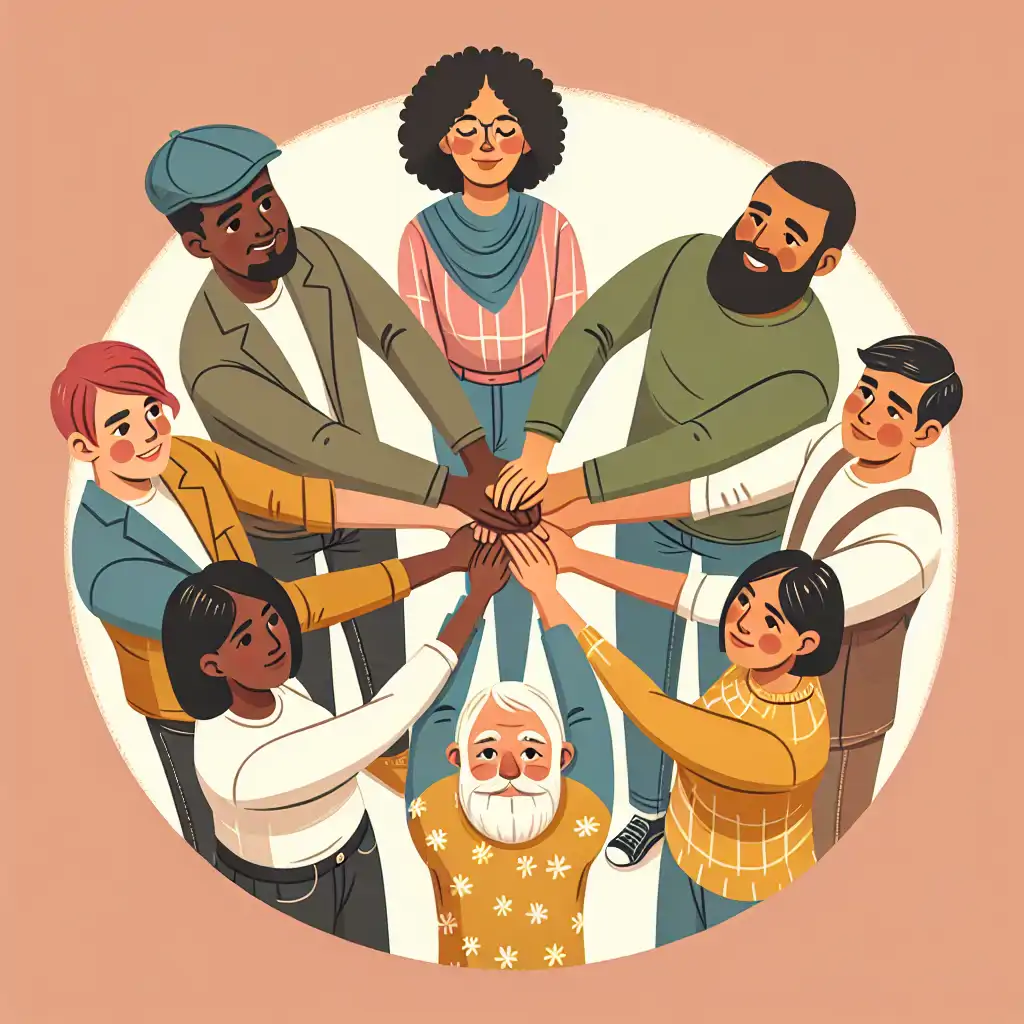
In the grand symphony of life, your voice is an instrument poised to make profound change. Whether voiced as a whisper trembling bravely or a defiant shout echoing vivaciously, each sound helps construct a collective anthem against the silence that empowers bullying. Thank you for embarking on this exploration of finding and using your voice. It takes courage, resilience, and sometimes a touch of humor to navigate a path fraught with challenges. Yet, each step you take signifies progress in a dance towards understanding, empathy, and societal change.
Remember this—every act of vocal empowerment ripples outward, touching lives in ways you may not immediately see. Your choice to speak up against bullying positions you as both advocate and ally. Simultaneously, your courage fosters communities where voices converge harmoniously, cultivating spaces where bullying finds neither shape nor substance, blending into melodic progress instead. With vocal empowerment as a guide, society bids farewell to silence's reign, welcoming understanding and collaboration as its rightful successors.
Embrace your journey with hope and conviction. Champion empathy and continue crafting environments where every voice is not only heard but valued. Arm yourself with knowledge; lean into supportive networks, and proudly exercise assertive communication. With these tools in hand, confidently navigate your course toward cultural shifts where bullying is met with unwavering opposition. Raise your voice boldly—after all, your melody is an irreplaceable part of the harmonious future we all hope to shape and celebrate.
Thanks for taking the time to read my article! You may also find this one interesting.
Underneath the Surface: Decoding Body Language in BullyingTil next time! Prijanka

Prijanka
Prijanka is a wellness coach and inspired blog writer. Drawing from her expertise in holistic health and her talent for motivating others, she writes insightful articles that empower readers to live healthier, more balanced lives, blending practical advice with a genuine passion for well-being.
A proud member of the B-Team
If you're curious to dive deeper into related topics, then you may find these external links useful.
1. StopBullying.gov
A government website offering resources and strategies for preventing and addressing bullying, relevant for understanding the power dynamics and the importance of speaking out.
https://www.stopbullying.gov/2. American Psychological Association - Speaking Up at Work
An article focused on the importance of finding your voice in the workplace, which is relevant to the section on assertive communication and empowering environments.
https://www.apa.org/pubs/reports/work-in-america/2023-workplace-health-well-being3. The Trevor Project - Resources on Bullying
A resource page from an LGBTQ+ organization providing support and guidance for dealing with bullying and finding your supportive network.
https://www.thetrevorproject.org/research-briefs/bullying-and-suicide-risk-among-lgbtq-youth/4. Mindful Schools - Mindfulness Practices
A website offering mindfulness practices, which can be helpful in managing fear and stress related to standing up against bullying.
https://www.psychologytoday.com/us/blog/evidence-based-living/202302/the-benefits-of-mindfulness-education-in-schools5. DoSomething.org Anti-Bullying Campaigns
An organization that engages young people in social change campaigns, including those focused on anti-bullying efforts, relevant for learning about advocacy and creating change.
https://dosomething.org/©2023 - 2026 SP Software Solutions Ltd. All rights reserved.