The Empathy Equation: Harnessing Emotional Intelligence to Combat Bullying
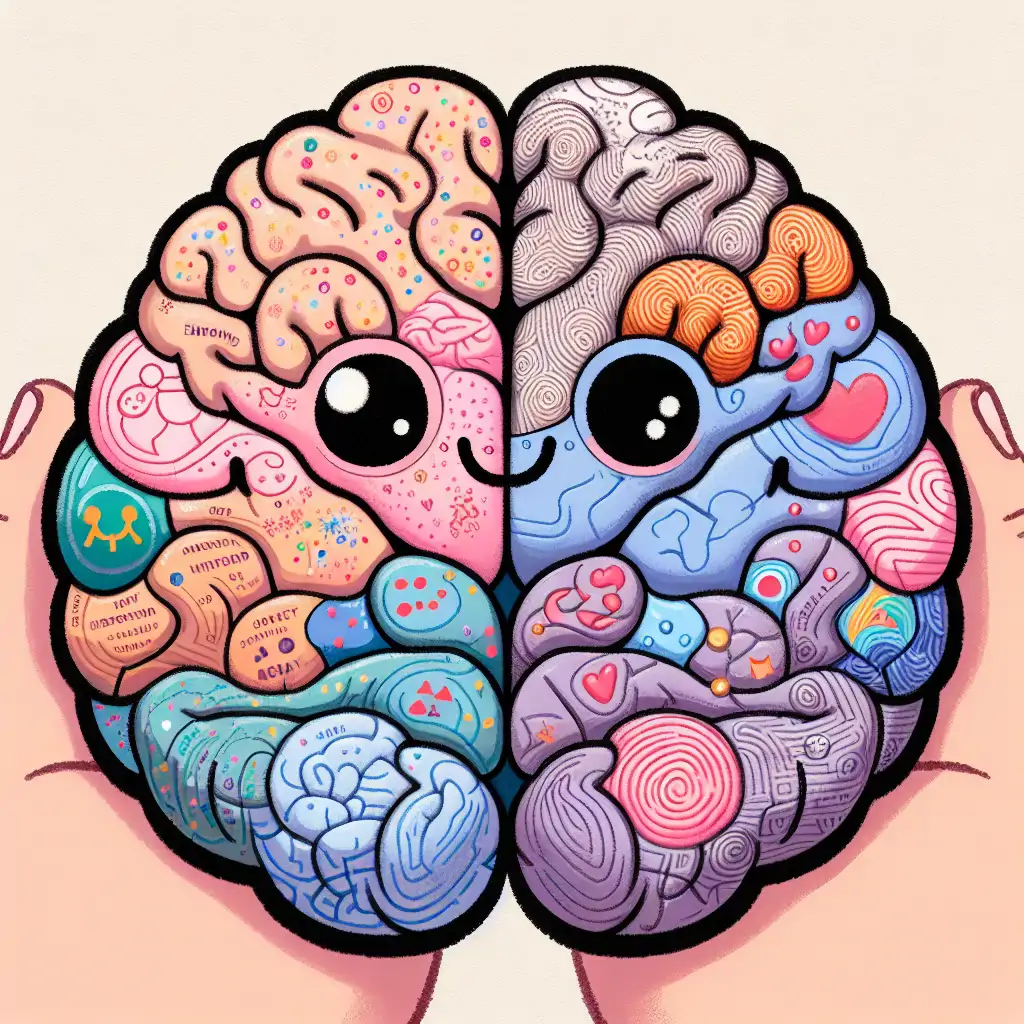
Imagine entering a world where a superpower exists, one that's not about leaping tall buildings or turning invisible, but about understanding and managing emotions. Welcome to the realm of emotional intelligence! Emotional intelligence, or EQ, is an ability that not only transforms personal relationships but also holds the key to addressing bullying – a social issue plaguing schools, workplaces, and online platforms. By enhancing EQ, we can foster empathy, empower potential targets, and even guide bullies toward altering harmful behaviors. In this blog, we unravel what's called the 'Empathy Equation' – a sophisticated blend of skills and strategies to replace aggression with kindness. Hang on as we embark on this enlightening journey, spiced with a touch of humor to keep the tough topics a little lighter. Together, we'll explore how emotional intelligence can create a sweeping change, making your interactions, whether at school, work, or online, not only bearable but delightful. Let's step beyond the drudgery of traditional anti-bullying campaigns and discover more compassionate and effective approaches.

First and foremost, let’s debunk the misconception that emotional intelligence is some rare unicorn-like trait possessed only by therapists and empaths. EQ is for everyone, and it can be learned, improved, and practiced like playing the air guitar – minus the blisters. Emotional intelligence involves understanding our emotions, expressing them healthily, recognizing others’ feelings, developing empathy, and handling interactions judiciously. In combating bullying, EQ becomes a game-changer. By nurturing a culture of empathy, we can significantly reduce incidents of bullying. Imagine a bully pausing to consider the feelings of their victim. Sounds utopian? It’s not impossible. By applying the empathy equation, gradually, perspectives shift, and compassion takes the front seat.
Understanding the role of empathy in tackling bullying is crucial. Empathy is the ability to put oneself in another's shoes and truly understand their feelings. It's akin to realizing that stepping on a LEGO piece isn't as painful if we look at it from the LEGO’s perspective (just kidding, it's way more painful for our feet!). But seriously, teaching empathy can help potential bullies develop a sense of awareness and responsibility for their actions. Several studies highlight how fostering empathy can reduce bullying behaviors significantly. This understanding cultivates an environment where kindness and emotional respect are prioritized, reducing the likelihood of aggressive behaviors. Creating empathy-rich environments requires determination, yet the results are overwhelmingly positive.
Developing emotional self-awareness forms the crux of emotional intelligence. It’s about recognizing one's emotions and comprehending how they impact thoughts and behavior. Picture yourself in a blizzard of emotions, and suddenly, each flake has a label. Feeling grumpy? Acknowledge it. Recognizing an emotion is the first step toward understanding it and controlling the resulting actions. Teach students and employees to pause, identify their feelings, and reflect on how those emotions drive their reactions. Once emotions are identified, managing them becomes simpler. This self-awareness extends to recognizing emotions in others, an essential component in addressing bullying.
Self-regulation is another critical aspect of emotional intelligence. It’s like becoming a master of your emotional spaceship, steering through turbulent galaxies without causing a cosmic mess. Encouraging individuals to self-regulate their emotions essentially empowers them to manage their feelings instead of being controlled by them – a vital skill in preventing bullying. Techniques like mindfulness, deep breathing, and reflection can aid this process. Individuals who manage their emotions well are less likely to lash out, reducing instances of bullying while creating a saner, kinder environment.
Social skills are equally pivotal in this equation. Building robust social skills aids in building positive relationships and navigating social complexities with finesse, including knowing when not to react to provocative statements – a tactic often employed by bullies to incite fury or discomfort. Strengthening these skills involves teaching effective communication, active listening, conflict resolution, and cooperation. Imagine workspaces or classrooms where harmonious communication replaces hostility, paving the way for constructive interactions and minimizing bullying opportunities. Strengthening social skills nurtures an environment ripe for emotional growth and dissolves the walls that foster isolation and misunderstanding.
Encouraging adaptability is another facet of the empathy equation. A world rampant with change often sees bullying behaviors as tools of control. Teaching adaptability helps individuals navigate these uncertainties without falling into harmful patterns. It's about fostering resilience to face challenges positively. Encourage a growth mindset where challenges are viewed as opportunities to improve rather than threats requiring defensive, often aggressive, responses. This mindset can significantly reduce incidents of bullying behavior, leading to more empathetic and understanding communities.
While strengthening individual emotional intelligence is essential, creating an empathetic culture requires systemic changes. Creating safe spaces and actively listening to concerns emerge as cornerstones in building this environment. Whether in schools or workplaces, ensure that channels for open communication exist and that individuals feel comfortable expressing their experiences without judgment. Establishing strong support systems encourages people to speak up against bullying while fostering a sense of community. An inclusive culture thrives on understanding and acceptance, leaving little room for bullying behaviors to fester.
Training programs and workshops can be instrumental in enhancing emotional intelligence across all age groups. Design activities that are interactive and engaging – treasure hunts for understanding emotions or role-playing scenarios where participants experience varying emotions under different circumstances can be some handy methods for a start. Schools and workplaces can integrate EQ training into their regular curriculum or training schedules. Not only does this approach help potential bullying targets feel more resilient, but it empowers entire communities to stand against bullying.
Incorporating technology into these efforts can bring a modern twist to emotional intelligence training. Use apps and digital platforms that offer interactive challenges focusing on empathy and emotional understanding. While screen time is commonly villainized, let's face it, interacting with an app that promotes kindness beats a mindless scroll through negativity-ridden social media any day. These tools can serve as daily reminders of the emotional intelligence concepts explored in workshops, providing practical, real-world application opportunities.
Storytelling is another powerful tool in nurturing empathy. Narratives allow individuals to experience others’ perspectives and understand diverse emotional landscapes. Sharing stories of both bullying experiences and overcoming them creates a collective understanding and can catalyze change within communities. Encourage individuals to narrate personal experiences through creative channels like writing, art, or digital media. Such storytelling not only helps to heal personal experiences but inspires others to participate in fostering an empathetic environment.
Parental involvement is imperative in sustaining the effects of emotional intelligence training. Encouraging parents and guardians to practice empathy and fully engage in their children’s emotional learning supports a solid foundation for nurturing emotional intelligence. Host family workshops focusing on building EQ collectively. With homes as the first schools of emotional understanding, the ripple effects of such an initiative can bring lasting cultural changes in understanding and mitigating bullying behaviors.
Teachers and leaders must lead by example when fostering an EQ-rich environment. Their roles as role models extend beyond mere academic and organizational settings to emotional landscapes, showcasing empathy in action. Encourage leaders in schools and organizations to prioritize emotional intelligence in their interactions and decisions. By promoting openness, understanding, and empathy, leaders can inspire others to do the same, adaptively changing the atmosphere to one less conducive to bullying.
Finally, it's essential to recognize that developing emotional intelligence is a continuous journey. It requires consistent practice and conscious effort. But like all pursuits that require persistence, the rewards—a kinder, more empathetic environment—are well worth the investment. Celebrating successes and understanding failures are part of the learning process. These experiences contribute to personal growth, creating environments where empathy triumphs over aggression and perceived differences become points of connection rather than contention.
Engagement in ongoing reflection and feedback ensures that emotional intelligence efforts keep evolving. Cultivate a culture where feedback is welcomed and learning is dynamic. Create circles of discussion where individuals can share reflections and suggestions on improving emotional intelligence initiatives. Feedback loops aid understanding diverse perspectives and continuously refining strategies for enhancing emotional awareness and reducing bullying activities. This participative approach increases community ownership in nurturing empathy.
Overall, the 'Empathy Equation' reveals that emotional intelligence is not just a preventive strategy but a transformative journey that benefits everyone involved. By honing EQ, potential targets feel empowered, bullies learn the art of self-control, and bystanders transform into empathetic advocates of change. The growth of such an emotionally intelligent community ensures that bullying is not just managed but decreased over time. Encourage everyone to be proactive in spreading the wave of empathy and emotional intelligence across all aspects of life.
So, why wait? Dive into the magic of emotional intelligence now. Rediscover empathy as the superpower we all possess and explore the endless possibilities for preventing and addressing bullying through this transformative approach. Whether it starts with understanding your emotions or listening more attentively to those around you, every small step counts. Together, let’s dismantle bullying’s power by nurturing an environment rooted in kindness, understanding, and emotional intelligence.
Explore ways to involve community services and local initiatives in promoting emotional intelligence. Support from local organizations can amplify the efforts of building empathy in a more extensive environment. Engage in community events focused on emotional well-being and encourage participation in local support networks. The collective energy of a community drives real change, and fostering emotional intelligence on such a scale can lead to a far-reaching cultural shift.
Developing emotional intelligence isn't just for kids. Adults can benefit equally from understanding and practicing empathy. Emotional awareness can vastly improve personal and professional relationships while effectively addressing challenges like bullying. Encourage workshops that cater to different age groups to ensure that everyone, irrespective of age, can harness emotional intelligence. Rethink traditional approaches by learning complementary strategies and creating a more emotionally aware environment, reducing bullying regardless of the setting.
Engage schools in adopting a whole-school approach to EQ. Encourage schools to infuse empathy in the curriculum, creating an educational atmosphere teeming with emotional understanding. From classroom discussions to collaborative projects and peer mentoring, making EQ a fundamental part of the educational paradigm sets the stage for a future without bullying. Teachers and students become active participants in fostering an empathetic culture while benefiting emotionally, socially, and academically.
Fostering emotional intelligence within workplaces holds equal importance in combating bullying. Encourage businesses to integrate EQ-focused training and support systems. Hosting workshops, developing clear anti-bullying policies, and fostering a culture of openness can ensure safer, more productive environments. Effectively utilizing emotional intelligence in workplaces helps balance interpersonal relations, building trust and respect while minimizing conflicts and bullying instances.
Create diverse and inclusive environments that emphasize understanding and appreciation of differences. Combat the roots of bullying by teaching inclusivity and celebrating diversity. Engage both children and adults in initiatives that promote cultural understanding, gratitude, and acceptance. These strategies, in conjunction with emotional intelligence, create a multi-faceted approach toward reducing bullying and fostering environments where empathy and diversity reign supreme.
Staying informed and engaging with research and developments in the field of emotional intelligence is crucial. Continual learning ensures that strategies remain effective and resonate with evolving societal challenges. Reading articles, attending seminars, and collaborating with experts can provide fresh insights and innovative approaches to nurturing empathy and reducing bullying. There’s always something new to learn in the quest for emotional intelligence and a kinder world.
Do not overlook the power of peer support. Encouraging collaborative problem-solving and emotional support networks within schools and workplace environments provides avenues for individuals to explore emotional intelligence while addressing bullying. Encourage mentorship programs where older students or experienced professionals guide peers, sharing experiences and offering emotional support. Such initiatives build empathy, foster connections, and provide defense mechanisms against bullying.
Also, encourage individual responsibility in practicing and promoting empathy. Show how small actions, like positive affirmations or non-judgmental listening, contribute to an empathetic atmosphere. Personal accountability inspires others and contributes to a larger change within communities. Rather than waiting for structured programs or organizational changes, individuals can actively begin practicing emotional intelligence, leading by example and inspiring others through their actions.
Case studies and success stories spotlight the tangible benefits of emotional intelligence. Highlight examples where enhanced emotional intelligence significantly reduced bullying incidents or transformed organizational culture. Sharing such experiences offers insight and inspiration, showcasing the potential of EQ in fostering empathy and reducing aggression. These narratives educate others, demonstrate success, and emphasize the importance of embracing emotional intelligence.
Research continues to unveil the potential impact of emotional intelligence in tackling complex social issues like bullying. Emerging studies explore various aspects of EQ and bully prevention, identifying strategies, coping mechanisms, and successful applications. Highlighting ongoing research not only strengthens the understanding of the empathy equation but also invites readers to engage with the latest insights and grow their emotional wisdom.
The journey of enhancing emotional intelligence to combat bullying is profound yet rewarding. Every small step contributes to a broader movement toward empathy-filled environments where kindness, respect, and understanding define social interactions. Whether in schools, workplaces, or communities, nurturing emotional intelligence ensures a culture that thrives on empathy, ultimately heralding a world where bullying becomes obsolete.

The 'Empathy Equation' provides a comprehensive approach to tackling bullying by enhancing emotional intelligence. Harnessing the power of empathy within schools, workplaces, and communities can transform social environments, ushering in cultures rich in understanding, acceptance, and compassion. Emotional intelligence cultivates personal responsibility, awareness, and growth, reducing the prevalence of bullying by equipping individuals with critical skills of empathy and understanding. This journey towards emotional intelligence is shared and dynamic, requiring collective effort and persistence. Let's empower, educate, and inspire each other to create a world where empathy triumphs over aggression and where kindness takes center stage. Remember, real change comes from within, and as we cultivate our emotional intelligence, we catalyze a movement towards an empathetic society, one where bullying has no foothold.
Imagine a world where empathy is not an exception but a norm, where interactions, whether online or offline, are filled with respect and understanding. Envision communities committed to promoting the well-being of all their members, where empathy and emotional intelligence are celebrated and practiced. As we navigate through this transformative era, harnessing emotional intelligence's potential ensures the creation of inclusive, supportive environments where everyone feels valued and understood. As we continue to learn and grow in emotional wisdom, let’s champion empathy's transformative power, forever changing how we perceive and combat bullying.
Thanks for taking the time to read my article! You may also find this one interesting.
Bullying and Mental Health: Healing the Hidden WoundsTil next time! Prijanka

Prijanka
Prijanka is a wellness coach and inspired blog writer. Drawing from her expertise in holistic health and her talent for motivating others, she writes insightful articles that empower readers to live healthier, more balanced lives, blending practical advice with a genuine passion for well-being.
A proud member of the B-Team
If you're curious to dive deeper into related topics, then you may find these external links useful.
1. Daniel Goleman's Emotional Intelligence
An introduction to the concept of emotional intelligence by Daniel Goleman, a leading expert in the field, providing foundational knowledge relevant to the content.
https://resilienteducator.com/classroom-resources/daniel-golemans-emotional-intelligence-theory-explained/2. Empathy and Its Role in Bullying Prevention
A research article exploring how empathy can reduce bullying, providing evidence-based insights relevant to the topic discussed.
https://www.tandfonline.com/doi/full/10.2147/JMDH.S4699213. Mindfulness Techniques for Emotional Regulation
A guide on mindfulness and emotional regulation techniques, which are essential skills mentioned in the context of self-regulation and preventing bullying.
https://mindfulnessdbt.com/dbt-skills-for-mindfulness-and-emotional-regulation/4. Building Social Skills for Better Communication
A resource on developing social skills like communication and conflict resolution, aligning with the content's emphasis on fostering positive relationships.
https://positivepsychology.com/how-to-improve-communication-skills/5. The Importance of Inclusivity in Preventing Bullying
An article discussing how diversity and inclusivity can combat bullying, complementing the strategies outlined in the content for creating empathetic environments.
https://www.tandfonline.com/doi/full/10.1080/01443410.2021.1906045©2023 - 2026 SP Software Solutions Ltd. All rights reserved.