Bullying and Mental Health: Healing the Hidden Wounds

Bullying has often been likened to an iceberg, where the visible portion is but a fraction of the whole. Below the surface dwells a massive, multifaceted issue that many of us only catch glimpses of. While the physical scars of bullying might be easy to spot, the psychological wounds are usually veiled, hidden beneath the facade of everyday life. These wounds, though concealed, can cause long-term mental health issues far more daunting than playground name-calling or lunch-money theft. In this article, we delve into the intricate relationship between bullying and mental health, emphasizing the importance of awareness and empathy.
Contrary to popular belief, bullying affects everyone involved: the victims, the bullies, and even the onlookers. An unfortunate trinity, isn't it? Victims may experience anxiety, depression, and a decrease in self-worth, while bullies, surprisingly, are often battling their own psychological demons. As for the onlookers, witnessing bullying can stir feelings of helplessness and guilt. Our aim here is to expose these hidden struggles, providing readers with actionable insights on how to heal and recover. Fasten your seatbelts as we navigate through this sea of emotions, striving to nurture a more understanding and compassionate society.
So, why is mental health such a critical factor in addressing bullying? For starters, it's often the overlooked element that, if tackled head-on, can stem the tide of bullying and its repercussions. Understanding the interplay between bullying and mental health is not just about recognition; it's about intervention and prevention. By promoting mental health awareness, empathy, and effective response strategies, we can create a community where everyone feels safe and valued. Ready to take this insightful journey with a healthy dose of humor? Let's get started!

Bullying is akin to dropping a pebble in a pond; the consequences ripple far and wide, impacting numerous aspects of life. Victims of bullying often describe a sensation akin to walking on eggshells, always in anticipation of the next verbal jab or physical shove. This constant state of vigilance can lead to chronic stress and anxiety—bedfellows nobody wishes to have. Research reveals that individuals who are bullied are more likely to suffer from anxiety disorders, which may persist long after the bullying has ceased. Feeling anxious is bad enough, but when that anxiety becomes a lifestyle, it’s a challenge not even the most celebrated mindfulness guru could easily overcome.
Depression is another uninvited guest that often accompanies victims of bullying. It sneaks in after repeated episodes of belittlement, feeding on the negativity and isolation that victims frequently experience. Imagine living with a cloud over your head that rains on even the sunniest of days—that’s depression for you. Studies indicate that victims of bullying are at a higher risk of developing depression, which can lead to other issues such as substance abuse and even suicidal thoughts. Imagine the toll this takes on a child’s development and future! It’s like creating a villain origin story that no one asked for.
And then there’s self-esteem—the punching bag that bullying loves to target. Bullying convinces victims that they’re somehow less: less worthy, less loved, less capable. This skewed self-perception can have devastating long-term effects, affecting personal and professional relationships, job prospects, and general life satisfaction. The sad irony is that often, the bullies are dealing with similar issues, projecting their insecurities onto others like an out-of-control circus performer. Tackling these issues head-on is imperative; it’s like holding up a mirror and confronting the uncomfortable truths hidden within.
What about the psychological impact on bullies? It seems counterintuitive, but the bullies themselves are often grappling with their own mental health challenges. Studies show that bullies are more likely to engage in delinquent and anti-social behavior as they grow older. It's as if they're caught in a whirlpool of negativity, unable to swim to calmer waters. By addressing the underlying issues that lead them to bully others, such as familial problems or mental health struggles, we can help break this cycle of hostility. It's akin to giving them a life raft in stormy seas, guiding them toward understanding and self-improvement.
The bystanders, those who watch from the sidelines like spectators at a sporting event, are not immune to the consequences of bullying either. Witnessing bullying can create feelings of guilt and helplessness, particularly if they feel unable to intervene. These feelings can simmer over time, potentially leading to anxiety and depression. Nobody wants a crowd that's writhing in silent turmoil—it’s like watching a horror movie where everyone’s too scared to scream. Encouraging bystanders to take action and providing them with the tools to do so can alleviate these feelings, creating a unified front against bullying!
So, how do we heal from these unseen scars? Identifying the presence of these mental health issues early on is one of the first and most vital steps. By recognizing the signs of anxiety, depression, or low self-esteem, we can intervene before these issues become entrenched. Teachers, parents, and peers can play a crucial role in this. They become the detectives of emotional turmoil, using open communication as their magnifying glass. Conversations may seem awkward at first—imagine discussing feelings with a teenager who communicates primarily through grunts—but they are the stepping stones to healing!
Another pivotal strategy is fostering environments where empathy and understanding are emphasized. By creating spaces where individuals feel safe to express their emotions, we can build resilience and reduce the stigma associated with mental health. Schools can introduce curriculum elements focused on emotional intelligence, which might sound like putting a cape on a psychology class, but equips students with valuable tools for their entire lives. Empathy exercises, where students step into each other's shoes, can help foster a more understanding and connected community. Who knew a lesson in empathy could be more beneficial than quadratic equations?
Therapy and counseling are central to the recovery process. Professional support can help victims of bullying rebuild their self-esteem and learn coping mechanisms to deal with stress and anxiety. Therapy gives them the toolkit to mend those emotional wounds, transforming them from silent sufferers into vocal advocates. Moreover, therapy isn't just for the victims. Bullies, too, can benefit from counseling, helping them address their own issues and develop healthier ways to interact with their peers. It's not just about taming the beast—it’s about understanding why it’s roaring in the first place.
Parent involvement is another key factor in combating the psychological effects of bullying. Parents serve as both a sounding board and a support system for children. Maintaining an open dialogue about school experiences and peer interactions can help parents identify signs of bullying early. Moreover, parental guidance on developing social skills can help children navigate complex social landscapes with confidence. It’s like equipping your child with a social map and compass—useful tools to find their way through the maze of adolescent interactions.
Prevention, of course, is the golden ticket. Schools, community centers, and homes collaborating to prevent bullying through programs and policies can foster environments of respect and kindness. Anti-bullying workshops can use role-play to illustrate scenarios and how best to navigate them. It's essentially a rehearsal for real-life interactions that don’t end with someone feeling like a deflated balloon. By embedding kindness as a core value, we create communities where everyone feels supported and heard—because no one likes an audience that boos!
The role of media also cannot be overstated in shaping perceptions about bullying and mental health. Positive representations of diverse characters dealing with and overcoming bullying can be powerful role models for young audiences. Reflecting real challenges with honesty—and a dash of humor—offers validation to those experiencing similar issues. It’s like a flashlight in the dark, showing them they're not alone and that recovery is possible. Let's champion media that uplifts rather than exploits those facing mental health challenges caused by bullying.
Keywords play a big part in spreading awareness, both literally and metaphorically. Words like 'support,' 'healing,' and 'awareness' should be echoed in conversations around bullying. The power of language in shaping dialogue and altering mindsets should not be underestimated. It’s essentially an antidote to those hurtful words that bully tactics hinge upon, replacing them with ones that soothe and support. Using words to build bridges, instead of walls, is something both Shakespeare and a modern-day counselor can agree on.
Arming school staff with adequate training to identify and approach bullying incidents is also pivotal. Teachers shouldn’t just spot the proverbial iceberg—understanding what's hidden beneath can make all the difference. Workshops on conflict resolution and classroom management can offer teachers the resources needed to handle bullying in a constructive manner. This goes beyond simply being the referee in a playground brawl; it's about being a guiding force toward reconciliation and healing. Because nobody wants their teacher to feel like a hapless babysitter!
Online bullying, also known as cyberbullying, is another beast entirely, lurking in the corners of social media platforms and instant messaging services. Its insidiousness lies in its anonymity and reach, allowing bullies to hide behind screens while still inflicting harm. Education about digital literacy and responsible online behavior should form an integral part of school curriculums, because knowing what’s lurking in the digital swamp is half the battle. Equipping students with tools for digital resilience can act as a virtual shield against online attacks. It's essentially turning those trolls into teachable moments.
By equipping students, parents, and educators with tools for digital safety, we can create online communities that are proactive in combating cyberbullying. This includes knowing when and how to report incidents and understanding privacy settings. It’s about navigating the digital landscape like pros rather than novices. Picture it as a quest in an online game—the goal is to level up digital safety and ensure no one gets stuck in a corner with a spam attack!
We can also leverage the influence of peer support groups to assist victims of bullying. By sharing common experiences, individuals can find encouragement and understanding among their peers. These groups serve as both a support network and a collective voice against bullying. It’s akin to having your own cheerleading squad—only, instead of pom-poms, they bring compassion and loads of solidarity. Such groups can foster empowerment and foster the assertion that nobody is truly alone in their struggles.
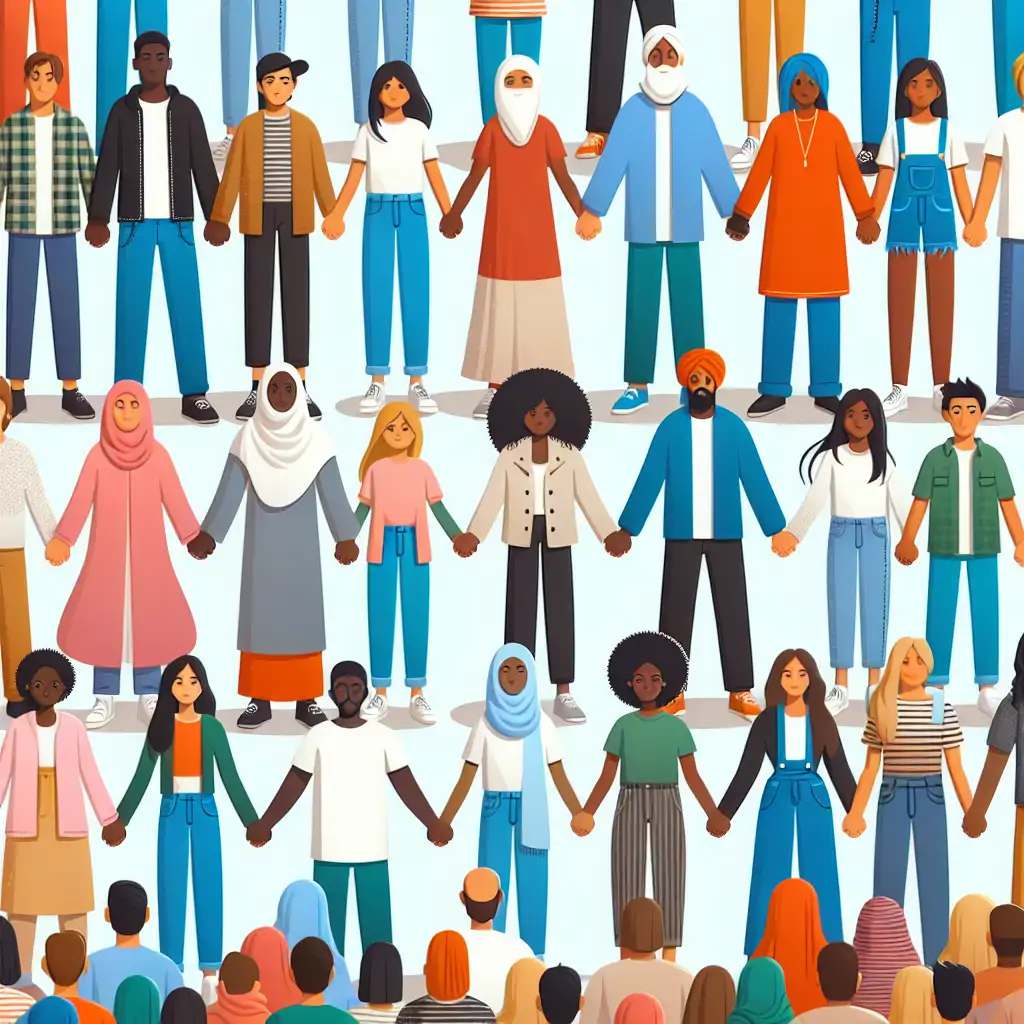
As we've journeyed through the intertwined realms of bullying and mental health, it's clear that understanding and empathy are our most potent allies. Addressing the emotional scars left by bullying requires a collective commitment to prioritizing mental health and well-being. It’s like tending to a garden—nurturing care and patience yield a community abundant in growth and positivity. By recognizing the hidden struggles faced by victims, bullies, and bystanders alike, we can turn our focus toward healing and recovery—a transformation from vulnerability to strength.
To truly break the cycle of bullying, we must all play a role in fostering environments that support mental health. This means more than just awareness—it's about taking action with compassion and empathy, where every interaction is an opportunity to uplift rather than diminish. By embedding these values into all aspects of society, from schools to digital platforms, we create a safety net where everyone can thrive. Imagine a world where bullying is but a relic of the past, and mental health awareness is the norm—the kind of utopia dreams are made of!
Laughter, understanding, and kindness are the cornerstones of resilience. In the fight against bullying, let's wield these like a superhero trio, ready to step in and save the day. Our journey to supporting mental health and combatting bullying has only begun, but by standing together, we can ensure that everyone has the chance to heal from those hidden wounds and emerge stronger on the other side. Here's to building a community that celebrates difference, champions resilience, and prioritizes the well-being of all its members.
Thanks for taking the time to read my article! You may also find this one interesting.
The Power of Peer Support: Building Circles of KindnessTil next time! Prijanka

Prijanka
Prijanka is a wellness coach and inspired blog writer. Drawing from her expertise in holistic health and her talent for motivating others, she writes insightful articles that empower readers to live healthier, more balanced lives, blending practical advice with a genuine passion for well-being.
A proud member of the B-Team
If you're curious to dive deeper into related topics, then you may find these external links useful.
1. StopBullying.gov
A government resource providing information on bullying prevention, its effects on mental health, and how to seek help. Relevant for understanding the broad impacts of bullying and strategies to address it.
https://www.stopbullying.gov/2. National Bullying Prevention Center
An organization focused on raising awareness and providing resources for preventing bullying. It offers tools for students, parents, and educators to create safer environments.
https://www.pacer.org/bullying/about/3. American Psychological Association - Bullying Effects
The APA offers insights into the psychological impact of bullying, discussing symptoms of anxiety and depression in victims. Relevant for understanding the mental health aspects discussed.
https://www.apa.org/topics/bullying4. Child Mind Institute - Helping Children Cope with Bullying
Guidance on supporting children affected by bullying, including tips on recognizing signs of psychological distress. Useful for practical advice on intervention and support.
https://childmind.org/article/how-to-arm-your-child-against-bullying/5. Mental Health Foundation - Impact of Bullying
An exploration of how bullying affects mental health across various age groups, providing research findings and coping strategies. Supports understanding of long-term mental health effects.
https://www.ncbi.nlm.nih.gov/pmc/articles/PMC8672638/©2023 - 2026 SP Software Solutions Ltd. All rights reserved.