The Bystander Blues: Turning Passive Onlookers Into Empathetic Advocates

Picture a world where superheroes don capes and fly around saving the day. What's not often noted, however, are the people standing around, holding their coffees, taking pictures, or just scrolling through their phones. Welcome to the realm of the bystanders! In every bullying scenario, the bystander plays an intriguingly ambiguous role, often toeing the line between silent witness and potential savior. But have you ever wondered why bystanders hesitate to leap into action or what it takes to transform them from passive onlookers to action-packed advocates? Get ready to dive into the intriguing psychology of the bystander. From understanding their internal monologues to exploring what moves them to speak up—or not—this blog is your go-to guide. We'll blend humor, insightful exploration, and practical strategies to demystify bystander behavior and harness their untapped potential, so empathy becomes the headline act rather than apathy. Let’s work together to shift the narrative, giving bystanders a chance to shine as true heroes in the anti-bullying saga.
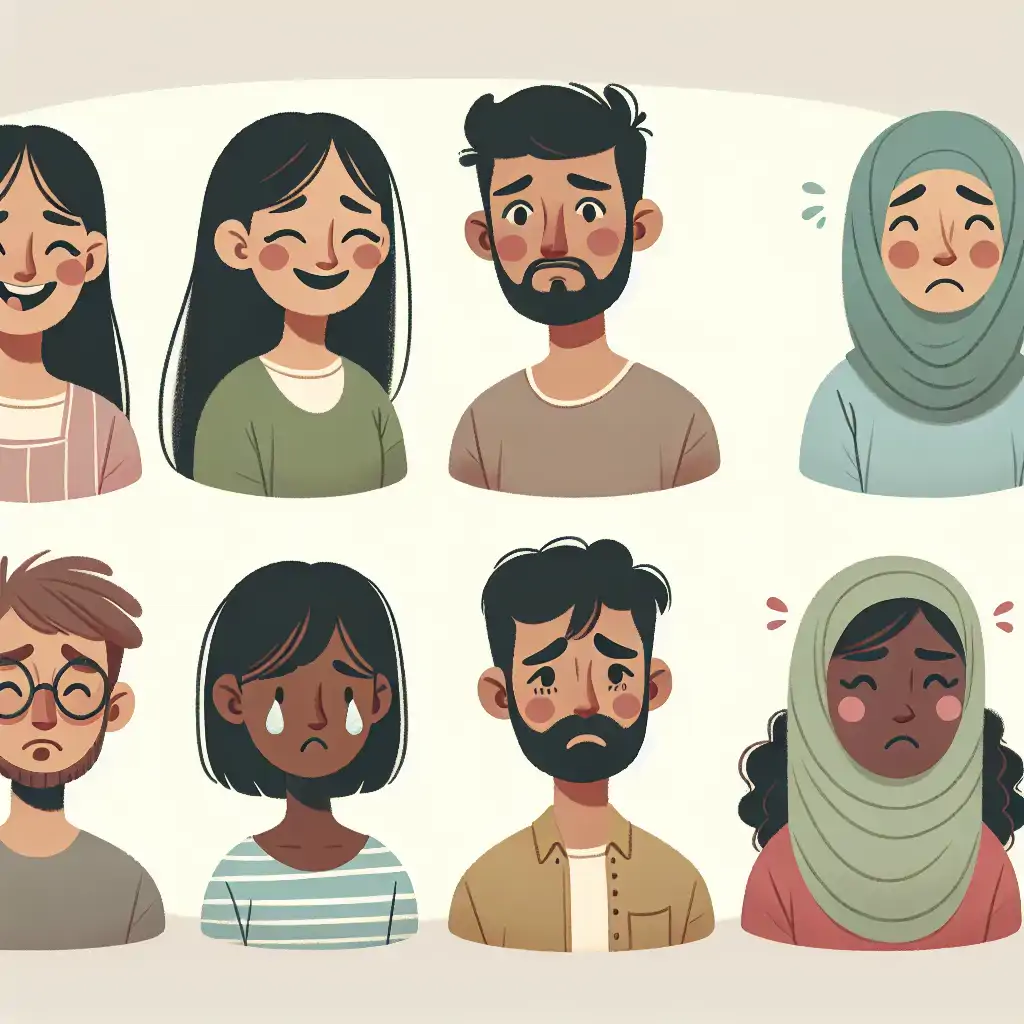
The psychology of bystander behavior is a fascinating field. Why do people hesitate to intervene when witnessing bullying? One primary reason is the diffusion of responsibility. In a sea of onlookers, individuals often assume someone else will step in, effectively passing the baton of responsibility. It’s like passing a hot potato, except this time, it involves a real emotional or physical crisis. Additionally, bystanders might fear the bully's wrath turning against them or worry about social repercussions among peers. This spotlight on cognitive processes is essential in understanding how to inspire and motivate these otherwise passive onlookers to take affirmative action.
Another gripping factor in bystander inertia is the lack of self-efficacy. Many individuals question their competence to effectively intervene in a bullying scenario. Imagine being thrust into an impromptu talent show, with no preparation, expecting you to know all the dance moves. When we equip bystanders with the right tools and training, we enhance their confidence and ability to perform when the curtains rise. Workshops, role-playing scenarios, and awareness programs can be instrumental in building this intervention self-efficacy, turning fence-sitters into empathetic allies.
The social dynamics of group behavior play a dictating role. Social influence can either tether or liberate the bystander's potential. A lone hero stepping forward might elicit murmurs of ‘show-off’ among peers, deterring others from following suit. However, when group norms prioritize intervention, it becomes the trend everyone wants to follow. This herd mentality can be harnessed, creating a culture where stepping up is not just accepted but admired. Schools and communities can nurture this environment by celebrating intervention successes and providing platforms for storytelling.
Now, let’s sprinkle a bit of humor into this exploration. Imagine a scenario where a group of cats watches one of their fellow felines stuck in a tree. While one cat ponders if it’s a good idea to alert the humans, another wonders if it’s too cliché to perform a rescue. Much like our furry friends, humans evaluate the potential of every intervention before leaping into action, ensuring they maintain their social nine lives. Yet, humorously acknowledging these hesitations can act as a comforting antidote, reducing the perceived risk and encouraging people to act courageously.
Humor, when tactfully used, can disarm tense situations and promote camaraderie. Bystanders often find themselves in the precarious position of being an uninvited audience to confrontation. By introducing training sessions laced with humor, individuals can better cope with their fear of awkwardness or embarrassment that might follow an intervention attempt. For instance, integrating funny skits in training sessions can not only lighten the mood but also demonstrate effective and ineffective intervention strategies, in an entertaining yet educational manner.
Programs involving trained comedians or theater groups can play pivotal roles. Workshops, wherein actors recreate common bullying scenarios with comic twists, transform a sensitive topic into a scene ripe for learning. Participants are more likely to engage, lowering their defenses, and open to absorbing intervention lessons when laughter binds the audience. These creative endeavors foster an inclusive environment where bystanders share a sense of solidarity, encouraging collective participation and demystifying the deed of taking a stand.
Adding personal anecdotes brings a touch of relatability. Imagine a colleague named Bob, an ordinary man with a penchant for avoiding confrontation as if it were an unplanned kale-only diet phase. Never one to rock the boat, Bob found himself muttering uncomfortable musings during workplace bullying incidents. But after attending an empathy-focused workshop enriched with relatable storytelling and role-play, Bob metamorphosed from a perennial fence-sitter into an office advocate for kindness and respect, subtly proving that anyone can evolve.
Storytelling can be a powerful vehicle for change. Personal stories imbue a level of emotional connection, bridging the gap between theoretical understanding and real-life application. When bystanders hear authentic narratives of successful intervention from their peers, it provides a more realistic blueprint for action, removing the abstract notion of heroism perceived in media portrayals. Schools could organize testimonial sessions where students share their intervention experiences, demystifying the action and encouraging others to take the first step.
Let’s journey through a practical strategy matrix. A good starting place is the ABC (Assess, Be calm, Communicate) technique. Assess the situation carefully without jumping to conclusions, ensuring your safety and that of others. Stay calm—the zen-like calm of a meditating monk can do wonders during a tempestuous scenario. Lastly, communicate! Communication can diffuse hostile situations and offer support to victims. Simple gestures, like standing nearby or making eye contact, can reassure the victim and dismantle the bully’s bravado.
Transforming the bystander phenomenon into a proactive force requires empathy activation. Empathy workshops, where participants experience role reversals, help individuals foster a deeper understanding of a bullying victim's emotional landscape. Activities that highlight shared experiences emphasize the need for compassion in mitigating bullying. Bystanders, thus equipped, merge empathy with action, translating understanding into practical support, creating a ripple effect against bullying behavior.
Technology also plays an influential role in fostering bystander empowerment. Apps designed to report incidents anonymously provide a modern-day armor, safeguarding individuals while ensuring accountability. Simulated virtual environments enable users to rehearse bullying scenarios, honing their reaction time and intervention strategies without the fear of immediate repercussions. These digital tools provide training grounds for bystanders, preparing them to spring into action with poise and confidence in real-life situations.
Positive reinforcement plays a significant role in nurturing a culture of engagement and intervention. Bystanders who step forward in support should be championed and celebrated. Recognition awards, verbal commendations, or tokens of appreciation not only laud the efforts of the intervener but inspire peers by setting a pratical example. Establishing role models within the community highlights the courage it takes to stand against bullying, motivating others to follow the path paved by these advocates.
Schools and workplaces can initiate ‘Bystander Empowerment Movements.’ Spearhead campaigns encouraging individuals to voice their experiences and learnings. Incorporate feedback loops to improve programs and ensure relevance, making it a collaborative rather than a top-down approach. Empowering bystanders involves a continuous dialogue between administrators, students, and employees, creating platforms for expression and growth, fostering a supportive community ready to act against bullying.
Incorporating empathy-building exercises within curricular and extracurricular activities is another effective measure. Drama clubs or debate teams can act out bullying scenarios, assessing the characters' decisions from diverse perspectives, broadening emotional understanding. Peer counseling programs provide confidential support systems, allowing students or employees feeling isolated to share and seek assistance. These initiatives emphasize emotional intelligence and community support, reducing the bystander's hesitance to engage.
Role models are not just a fictional archetype but a living, breathing embodiment of courage. Inspirational figures, be they sports icons, performers, or local heroes, sharing their experiences of stepping up can boost morale and inspire others to emulate them. Schools can arrange guest lectures or video sessions where these figures narrate their intervention stories, reinforcing the virtue of empathy and highlighting the significant societal impact even small actions can have.
Remember that culture plays an intrinsic part in motivating bystanders. Encouraging a culture where empathy flourishes leads to a natural blending of compassion in everyday actions. Conducting regular team-building sessions focused on trust, understanding, and respect shifts cultural dynamics, making intervention a collective priority. Whether participating in group exercises or community service projects, these activities contribute to empathy, enhancing societal bonds capable of dismantling bullying dynamics.
Understanding that change is sometimes a slower-paced waltz than an eager cha-cha is vital. Shifting behavior starts by planting seeds of awareness, allowing knowledge and empathy to take root. Continuous reinforcement through relatable metaphors, stories, and consistent engagement ensures sustainability. Each tiny step forward, from a nod of encouragement to an assertive 'Stop,' incrementally contributes to transforming a passive bystander into a proactive ally who champions against the bullying scourge.
Creating materials that appeal to different learning styles can reach a wider audience, catering to aspiring advocators. Infographics, videos, podcasts, or comic strips convey complex ideas simply yet powerfully. Academics often conspire to dress significant insights in esoteric language, but visuals can surmount this barrier, reaching hungry minds eager to participate. Learning materials that simplify and engage can nurture a robust educational foundation, one rearms bystanders with inventive intervention approaches.
There's merit in graffiti—a form of spontaneous street anthropology! Consider creating art workshops where students or community members paint colorful murals that depict unity and strength against bullying. These visual messages act as both reminders and inspiration, evoking emotion and sparking conversation. In the same way that graffiti carves its presence amid urban landscape, interventions can protrude into contexts where bullying dares to strut and impose, reclaiming space for empathy.
Film is a dynamic medium that warps audience perceptions, etching ideas deeper into memory. Screening films that explore bullying themes through nuanced storytelling not only sparks conversations but ignites critical thinking. Whether presenting documentaries or fictional tales, this medium can be used as a springboard for discussion forums, encouraging reflection and providing a safe space for exchanging thoughts and initiating action plans. Movies that stimulate emotions can prove vital in motivating bystanders.
Fitness programs highlight teamwork and spur individuals towards common goals, contributing inadvertently toward empathy cultivation. Activities like team sports or guided group exercises strengthen teamwork, camaraderie, and support-building interventions. Participants experience the motivating drive of being uplifted by teammates, realizing the essential nature of similar actions in broader contexts. Bystanders involved in these activities grow more attuned to valuing collective success, turning intervention objectives into achievable milestones.
There are moments where a gentle nudge in the right direction transforms an entire landscape. Advisory groups can consist of previous bystanders who’ve now taken the plunge to intervene effectively. Their enriched perspectives form bridges through which new interventions learn nuances or subtleties within dynamics. These advisory communities perpetuate learning cycles for new individuals reeling from a perceived inertia, converting hesitation into informed and courageous enthusiasm.
Fostering collaboration with local law enforcement or safety organizations can reassure potential bystanders about their safety. Interactive sessions where officials share insights, equip participants with essential knowledge, and demonstrate how to seek assistance demystify intervention's perceived danger. Bystanders understand that collaborative strength fortified through informed action can counteract bullying, allaying fears that paralyze action. Safety becomes synonymous with unity and proactive defense against victimization.
Let’s revisit humor—the culinary spice that transforms mundane beans into savory wonders! Organizing comedy events with themes centered around bullying or intervention can subtly educate audiences, provoking contemplation amidst laughter. Humor disarms preconceptions, paving paths through the dense forest of doubt, ensuring bystanders previously immobilized become curious cats ready to navigate wisely through moral convolutions, converting humorous learning into substantial impact upon the stage of life.
Bystanders have eyes and, at times, the weight of the world rests upon them—but even Atlas has playdates! Online platforms should create comic skits and engaging interactive games where users explore intervention scenarios creatively, encouraging learning devoid of pressure. Gamified environments that utilize ludic storytelling, providing choices and consequences, mimic scenarios empowering participants through experiential learning avenues acting as motivational laboratories for experimentation without real-life risks.
Peer status and accolades can significantly inspire interventions. Schools or organizations should formalize peer recognition programs, providing badges or titles honoring those prioritizing empathy. These badges emerge metaphysically as emblems carried with honor and are a ladder upon which social standing ascends into repute, motivating peers to emulate action and safeguard others. Specially designed intervention-oriented curriculums create role models wielding empathy as a mighty sword against bullying magni.
Reflect on the power of music: a tapestry woven from melodic solace and resonant compassion. Workshops encouraging participants to express intervention experiences through songwriting, poetry, or rhythm can prove euphoric. Emotions once pent spill through chords, offering safe expressions of hesitations and resolutions within tunes crafted for empathy’s embrace. Music empowers bystanders, ensuring they dance not now away but towards intervention symphonies where quiet compassion radiates into action.

As we wrap up our expedition through the world of bystanders, it's clear that while caped crusaders are few, empathy isn't an exclusive trait restricted to fantasy. It’s the real superhero superpower, lying dormant within us, waiting for the spark of awareness to propel it into action. Bystanders, as we've uncovered, play a pivotal role in rewriting the bullying narrative. By understanding the psychology, embracing humor, and employing practical strategies, they can move beyond observing to intervening compassionately.
The journey from idle witness to active advocate might seem daunting, but it’s within reach. Armed with empathy, education, and empowerment, each individual holds the potential to become part of the solution. Recognizing our interconnectedness and prioritizing compassion transforms our society, fostering environments where empathy prevails. By encouraging bystanders, we're building a culture rooted in courage and understanding, ensuring that when bullying arises, empathy, not indifference, leads the charge.
Now is the time to unleash the full potential of the bystander. Equipped with knowledge, humor, and an unyielding sense of shared responsibility, we can collectively stand up, speak out, and support those in need. Let's embrace and inspire each other to become empathetic advocates, making bystanders a guiding force in cultivating societies where kindness and bravery illuminate every step forward into a brighter, harmonious tomorrow.
Thanks for taking the time to read my article! You may also find this one interesting.
The Art of Resilience: Becoming Bully-Proof Without Losing Your CoolTil next time! Katie

Katie
Katie is a wildlife guru by day and a passionate part-time blog writer. With her deep expertise in nature and a gift for vivid storytelling, she crafts compelling articles that bring the wonders of the wild to life, captivating readers with her knowledge and love for the natural world.
A proud member of the B-Team
If you're curious to dive deeper into related topics, then you may find these external links useful.
1. Diffusion of Responsibility in Psychology
This article explores the concept of diffusion of responsibility and its impact on the bystander effect, offering insights into why people may hesitate to intervene in bullying situations.
https://www.ncbi.nlm.nih.gov/pmc/articles/PMC5390744/2. Building Self-Efficacy in Bystanders
A detailed look at how programs and workshops can enhance self-efficacy, empowering bystanders with the confidence and tools needed to intervene in bullying incidents effectively.
https://www.ncbi.nlm.nih.gov/pmc/articles/PMC5661995/3. Harnessing Social Dynamics for Positive Change
An in-depth study on how social influence and group norms can be leveraged to encourage bystander intervention, changing passive onlookers into active participants.
https://link.springer.com/article/10.1007/s11121-019-00998-34. The Role of Humor in Addressing Bullying
An exploration of how humor can be used to lighten tense situations, reducing fears of intervention, and promoting a more comfortable environment for bystanders to act.
https://smhp.psych.ucla.edu/pdfdocs/bystander.pdf5. Empathy Workshops and Their Impact
A comprehensive guide on empathy-building exercises, detailing how these workshops can transform bystanders into empathetic advocates against bullying.
https://medium.com/patternfly/empathy-workshop-design-thinking-approach-to-problem-discovery-361e49a9ee63©2023 - 2026 SP Software Solutions Ltd. All rights reserved.