The Art of Resilience: Becoming Bully-Proof Without Losing Your Cool
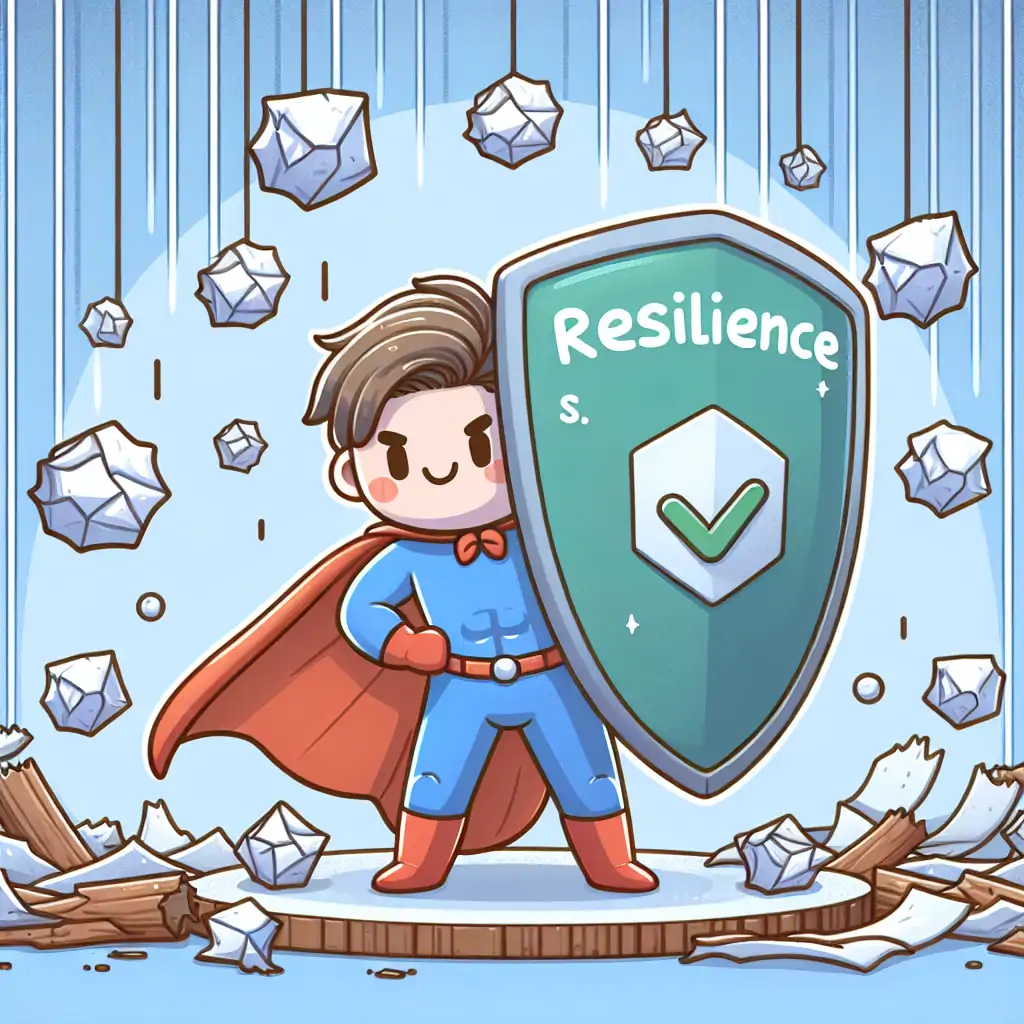
In a world where bullies seem to be lurking around every corner, it can feel like building resilience is as elusive as getting your cat to stop knocking things off the table. But fear not! Resilience is not just a superpower reserved for superheroes or dogs that wear capes. It’s a skill you already have, like an unwritten IKEA manual within you, ready to be tapped into. Whether you’re facing schoolyard teasers or those notorious adult bullies who cut in line at the coffee shop, understanding how to harness your resilience will help you bounce back, stay strong, and even advocate for others.
The art of being bully-proof isn't about turning into a tough-as-nails character who never flinches. Instead, it's about cultivating emotional strength that allows us to withstand negative interactions without losing our cool or our humor. This journey of self-confidence and empathy can transform moments of vulnerability into stepping stones for growth. And let's face it, a strategic sense of humor trumps an angry retort any day. By weaving through a tapestry of anecdotes, practical strategies, and laughter, this blog aims to lighten the often challenging topic of bullying, empowering you to embrace your unique self while deflecting aggression with grace.
Resilience, at its heart, is a conversation between you and your inner world, creating space to understand, improve, and sometimes laugh at the absurdity of it all. We’ll explore real-life scenarios where resilience triumphed and delve into the psychological tools that can help maintain your spirit. Whether you’re a parent trying to guide your child, a teacher navigating classroom dynamics, or someone who’s personally tackled the bizarre world of bullying, this post is for you. So, buckle up as we dive deep into staying grounded, fabulous, and delightfully bully-proof!

Resilience might sound like a serious term, but it’s actually your best dance partner in moments of duress. Imagine resilience as the rhythm that leads you back into balance, no matter how chaotic the music around you gets. When dealing with bullying, your first move towards resilience is understanding that you are not alone. Countless others have taken the same journey, and each step they left behind is a lesson waiting to be discovered. Sharing these experiences creates an empathetic world where everyone looks out for the underdog, instead of letting negativity fester. Remember the story of David and Goliath? It wasn’t about size; it was about courage and wit!
Our narrative begins with the tale of a young girl named Lucy who, like many of us, encountered a lunchtime bully. Lucy’s initial days at her new school were overshadowed by an incessant provocateur who mocked her style, her lunch choices, and her vivid imagination. Rather than crumble, Lucy embarked on a journey of subtle humor and unyielding determination. She greeted every taunt with a quirky smile, often deflecting aggression with questions that left her bully bewildered. Her unique style of resilience slowly transformed her standing, and in time, she even managed to turn her bully into an ally, using empathy as her secret weapon.
Resilience doesn’t have to come from grand gestures or Herculean feats. Often, it starts from the smallest act of self-love, like getting out of bed determined to face a new day. Speaking of mornings, have you ever noticed that even the grungiest Monday feels slightly better when paired with your favorite breakfast? Small rituals can become anchors in a storm, providing consistency when everything else feels uncertain. Such is the case with the teacher, Mr. Higgins, who started each day with a positive mantra. Despite having a class known for its pranksters, he maintained a reputation of patience and kindness. His resilience radiated, transforming his classroom into a safe haven where students felt seen and heard.
Approaching bullying with humor might sound counterintuitive, but laughter can be one of the most effective deflectors of negativity. It changes the atmosphere, shifts perceptions, and sometimes, it’s humor that bridges gaps. Think of humor as the grease that makes the gears of resilience turn more smoothly. We've all seen those movies where the hero responds to an insult with a well-timed quip, instead of fury. From Chaplin’s silent films to the comedic genius of modern sitcoms, humor has always been a universal interpreter of human resilience against adversity. Can comebacks be learned? Absolutely! Like any good magic trick, it’s all about timing and practice.
The psychological angle of resilience has been studied extensively, and findings suggest that it’s not just about ‘bouncing back’ but ‘growing through.’ This means recognizing our emotional and mental responses to bullying as a chance to not only recover but understand ourselves better. The hero of our next story, Mark, discovered this when facing relentless cyberbullying. Instead of hiding, he took an unexpected turn by creating a blog—a diary of sorts—that transparently shared his journey. His honesty became a beacon for others facing similar issues, and what started as a tool to cope evolved into a community where support became its own remedy.
One of the simplest yet most profound tools in the resilience toolkit is the classic, ‘count to ten’ technique. Remember that moment when you almost lashed out at someone who just cut you in line, but then took a deep breath instead? Frustrating as it might seem to the uninitiated (and maybe downright menacing to your impatience), this simple pause is a superpower. It allows you to gather your thoughts, control the narrative, and most importantly, keep your inner peace intact. Counting to ten becomes an art form, a small meditative practice that, if perfected, can turn you into the zen master of schoolyard confrontations or aggravating meetings.
Resilience also thrives in the realm of storytelling. Narratives allow us to reframe situations, providing fresh perspectives that can lead to emotional healing. Imagine being the star in your own story, facing the antagonist (the bully), and overcoming challenges with courage and flair. Fictionalizing your encounters and transforming them into bedtime stories can be a therapeutic way to process painful interactions. This technique not only builds resilience but fuels creativity, awakening both personal and collective narratives that act as both shield and sword in unsettling realities.
Let’s talk about finding your people or, in more academic terms, building a support network. Humans are inherently social creatures; we thrive in groups. Finding like-minded individuals who share your values can offer a bastion of support in times of distress. Whether it’s a group text with your closest friends, a book club where everyone enjoys the same genre, or an online forum tailored to artistic pursuits, knowing you have a place where you’re understood and accepted can be incredibly fortifying. It’s in these circles that resilience finds its nourishment; it grows stronger with every shared secret and late-night discussion.
A strong pillar of resilience is rooted in the art of self-care or, as I like to call it, indulging your inner diva. Self-care doesn’t have to mean spa days or expensive hobbies; sometimes, it's as simple as allowing yourself a moment to breathe and reflect. Journaling, for example, is a timeless tool that encourages introspection, helping individuals articulate feelings that might otherwise weigh them down. Our friend Emily found her rhythm by jotting down daily affirmations and thoughts, focusing on achievements rather than setbacks. For her, this diary became a witness to her strength, a mirror that reflected growth and unwavering resilience.
While building resilience, it’s crucial to understand that mistakes are inevitable—and perfectly okay! Everyone fumbles sometimes, including the most composed among us. The key is to embrace these missteps as learning opportunities. The story of Pete, a high school senior who once confronted his bully with a rather dramatic (and hilarious) misquote of Shakespeare, reminds us of the importance of laughing at our own blunders. Instead of dwelling on the faux pas, Pete accepted his error with grace, using humor to diffuse tension. In time, his peers admired his ability to shrug things off, and his true strength shone through.
The art of gratitude is often considered old-school advice, but research backs its transformative power. By focusing on what we appreciate, we subtly rewire the brain to detect positive patterns, and this mindset shift can be instrumental in developing resilience. A poignant example is Claire, a university student who began a daily gratitude journal during a particularly challenging semester. Not only did it help her navigate academic pressure, but it also provided a cushion against negative interactions on campus. Over time, her resilience grew, enabling her to face conflicts with patience and understanding, guided by an expanding awareness of positivity in her life.
Meditation and mindfulness deserve a seat at the resilience table. As practices that emphasize being present and centered, they often provide pathways to emotional stability and inner peace. Our protagonist here is Oliver, who struggled with public speaking due to relentless teasing in the past. Through mindfulness classes, Oliver unearthed a newfound confidence, one that didn’t aim to erase the past but to embrace it as part of his journey. His path of self-reflection allowed him to reclaim his voice, demonstrating how mindfulness can be a tool not just for calm but for reclaiming narrative.
Having a sense of purpose can be a game-changer when strengthening resilience. Why do we wake up and face the world each day? Purpose-driven individuals often find themselves surfing over challenges with relative ease, their resilience fortified by meaning. Think of entrepreneurs who fail multiple times yet persist because they truly believe in their vision. Our character, Tony, reinvented his life by turning his bullying experience into a motivational speaking career. Defying naysayers, he leveraged every mockery as fuel, realizing his detractors were simply highlighting the very traits that made him special.
Empowerment through creativity might be one of the most underrated tools for building resilience. Whether it’s painting, writing, singing, dancing, or playing the ukulele, artistic expression allows us to channel emotions into productive outlets. Take the story of Jenna, whose teenage years were marked by both exquisite artistry and loneliness. Instead of succumbing to isolation, she delved deeper into her artistry, expressing her struggles through vivid canvases. Resonance with art not only fortified her against negative comments but connected her to a community that celebrated her unique vision.
A key element of resilience is adaptability—the ability to adjust, reformulate action plans, and reinvent oneself when circumstances change. Living through the COVID-19 pandemic has tested this trait globally. Resilience expert Salma reflects on how she, like many, had to redefine her personal and professional goals amidst isolation. Her blog chronicled these transitions, offering guidance for those struggling to navigate this unfamiliar landscape. Adaptability, she discovered, is a form of silent resilience that doesn’t announce its presence but stands resolute through change.
A defensive strategy for resilience is the creation of mental boundaries—a fortification against the absorption of negative energy. Boundaries encourage healthy relationship dynamics where mutual respect thrives. Consider this: you’re not a piñata, so why let everybody whack you until something bursts? Jess, a college sophomore, faced this dilemma with constant unsolicited advice from peers. She developed boundaries through polite assertiveness—'Thank you, but I’d like to stick with my plan.' Embracing this autonomy gave Jess the breathing room needed to build her confidence while retaining control over her life.
The interaction of resilience and social advocacy is a powerful narrative. By making the leap from personal resilience to championing for others, individuals can transition from being survivors to protectors. Historical figures, such as Rosa Parks, turned individual resilience into collective strength, extending the mantle of advocacy to defend broader social rights. Similarly, Sarah, a high school junior, began a club aimed at creating safe discussions around bullying. Her personal journey to resilience morphed into community empowerment, sparking dialogues that emphasize inclusion, empathy, and solidarity.
Let’s steer our exploration towards self-reflection—a timeless companion in resilience building. Taking a moment to internally digest what you’ve learned from experiences, without judgment, is a generous offering to oneself. Picture yourself as both gardener and soil; self-reflection is the act of tilling this ground. We remember Leo, a young adult returning to education after bullying led him off course. Through reflection, he acknowledged his journey, evolving past guilt into acceptance and growth. Resilience, he learned, derives from acknowledging past pains and using them to cultivate a more informed, compassionate self.
It’s vital to reinforce that resilience is a personal journey, devoid of comparison. Society loves milestone checking, but each individual’s map is diverse and unique. Kristen, a resilient woman, parlays her fusion of humor and insights into blogs that encourage readers to chart their own course. Her journey embodies resilience not as predefined milestones but as fluid moments of choice and change. Tailoring resilience to your own narrative ensures it stays genuine and functional, guiding you through the ebbs and flows of life’s unpredictable tides.
Role models can shape our resilience through their stories and actions. Whether real-life icons or fictional superheroes, individuals who mirror strength and vulnerability inspire us to elevate our own thresholds. Superman isn’t real (sorry, everyone); however, his virtues symbolize resilience—an acceptance of alienation and the pursuit of justice. Similarly, Maria, a teacher inspired by Malala Yousafzai, integrated her principles into her classrooms, nurturing a foundation that encouraged students to develop their own resilience by undertaking small acts of bravery.
Resilience isn’t necessarily about changing the world; often, it’s about changing your world. Sometimes, this means simply addressing one small corner of the chaos and staking your claim for peace. Jordan, recovering from the loss of his father, dedicated his afternoons to restoring a derelict patch of community garden. Each plant nurtured symbolizes hope, transforming an abandoned space into a playground of solace and vitality. Through these acts, Jordan cultivated his own resilience in the form of roots that now sustain both him and his community.
Reflecting on uncomfortable emotions instead of suppressing them is crucial for resilience. Unfelt, unprocessed emotions can become heavy chains. Nico, a veteran overcoming PTSD, initiated a podcast encouraging veterans to share their stories, deconstructing the myth that resilience equals emotional stoicism. Through narratives, veterans discovered strength in vulnerability, understanding resilience as an emotional freedom rather than confinement. Confronting emotions head-on diffuses their power, reclaiming the grandeur of living through honest experiences.
Imagination might seem like an unexpected ally in resilience, but daydreams can fuel hope, determination, and innovation. Lucy, an author who overcame childhood bullying, embraced her imagination as a sanctuary where courage was sculpted into reality. Through characters and worlds, she explored themes difficult to address directly, her stories acting as conduits for resilience. The book series became beloved by many, guiding readers through motifs of bravery and transformation inspired by Lucy’s experiences.
The concept of ‘heroic ordinary’ explores how resilience can manifest in everyday acts of kindness that emerge unnoticed. Have you ever held an elevator door open for someone who seemed rushed? Whether small or large, these acts create ripples, binding resilience with empathy. Jack's after-school initiative collected unnoticed kindness stories, illuminating unsung heroes woven into daily life. Encouraging recognition of kindness as a form of resilience, the project illustrated how embracing altruism strengthens societal fabric.
True resilience is revealed through interdisciplinary voices helping illuminate the path towards challenges that seem overwhelming. Cross-cultural understanding enriches resilience, blending implicit values like respect, courage, and mindfulness into global narratives. Ranya, a child of immigrants, explored resilience through her identity lens. Her bilingual storytelling not only encouraged cultural unity but offered insights on forging resilience by merging diverse stories into harmonious symphonies, conveying a message much greater than the sum of its parts.
Finally, the art of resilience has been practiced for millennia, and while methods evolve, the essence remains unshaken. Embracing resilience means accepting life’s perfect imperfections, learning that sometimes it's okay to fall, and that humor often paints the quickest smile back on. Recognizing resilience as a living process rather than a destination emphasizes adaptability, growth, and persistence. In this journey, be gentle to yourself and remember each act of resilience you practice contributes to a world more brimming with acceptance and joy.
As we navigate our closing explorations, remember that building resilience isn’t just about sealing cracks but daring to construct a masterpiece with what you’ve learned. Throughout our journey, stories of transition and strength decorate the walls, revealing truths shared across humanity. Seeing each story as painting on resilience, we understand the continuous effort interwoven into daily lives. Through humor, adaptability, and determination, we realize resilience not just as a tool but as an art form born and nurtured within.

In this playful yet insightful journey through the art of resilience, we’ve examined strategies to withstand bullying while staying true to ourselves. We've discovered how resilience not only empowers us individually but has the potential to impact our communities positively. From humor to self-care, adaptability to creativity, each approach builds a tapestry that reflects our unique narratives. As we part, remember these tools exist to serve you, turning challenges into stories of triumph. You are equipped not just to navigate life’s difficulties, but to find laughter and wisdom along the way.
Resilience is not a destination but a continuous symphony composed of moments both profound and whimsical. Life will indeed throw curveballs, but it’s within your power to rise and respond with courage and humor. Through the tales of Lucy, Mark, and Jenna, we see that resilience transcends simple survival, allowing us to embrace mistakes while redefining failure. Whether it’s by counting to ten, painting a mural, or embracing the comfort of community, today and always, may resilience be your ally, your strength, and your companion.
So, dear reader, embark on this journey with an open heart and a light spirit. Know that resilience, like a dear friend, grows with you, transforming both you and the world around you. As you step forward, smile at the absurdities, laugh at life’s unpredictabilities, and trust that within you lies a well of resilience waiting to flourish. We may find ourselves standing at the crossroad once again, but with resilience as our compass and humor in our pocket, there’s no path we cannot traverse with grace, courage, and laughter.
Thanks for taking the time to read my article! You may also find this one interesting.
Behind the Mask: Unveiling the Insecurity of BulliesTil next time! Katie

Katie
Katie is a wildlife guru by day and a passionate part-time blog writer. With her deep expertise in nature and a gift for vivid storytelling, she crafts compelling articles that bring the wonders of the wild to life, captivating readers with her knowledge and love for the natural world.
A proud member of the B-Team
If you're curious to dive deeper into related topics, then you may find these external links useful.
1. Building Emotional Resilience
An article discussing practical ways to build emotional resilience, which is relevant to understanding how to withstand negative interactions and bullying.
https://positivepsychology.com/emotional-resilience/2. The Power of Humor in Difficult Times
A blog post exploring how humor can be a powerful tool for coping with adversity, closely aligning with the concept of using humor to deflect negativity and bullying.
https://solymaronlinetherapy.com/blog/the-science-of-laughter-how-humor-can-positively-impact-mental-and-emotional-health3. Mindfulness and Resilience
This resource delves into how mindfulness practices contribute to building resilience, resonating with our discussion about meditation and emotional stability.
https://www.psychologytoday.com/us/blog/mindfulness-insights/202103/4-ways-mindfulness-traits-and-practices-build-resilience4. Community Support Networks
An article on the importance of building support networks, which parallels the idea of finding like-minded communities to bolster resilience.
https://link.springer.com/article/10.1007/s13280-021-01678-95. Resilience in Children and Teens
A guide focused on fostering resilience in young people, which complements narratives about how young individuals, like Lucy and Mark, developed resilience in the face of bullying.
http://fosteringresilience.com/about.php©2023 - 2026 SP Software Solutions Ltd. All rights reserved.