Empathy, The Secret Superpower Against Bullying

In a world bustling with noise, conflicting opinions, and some dubious dance challenges, there resides an oft-overlooked superpower: empathy. Unlike flashy capes or futuristic gadgets, empathy doesn’t need a secret lair or heroic monologues. It’s the humble ability to step into someone else's shoes (or slippers, depending on the occasion). The power of empathy can transform the harshest environments into spaces of understanding and compassion. While it might not make you fly or grant you X-ray vision, it’s just the ally we need in the ongoing saga against bullying.
But what is empathy exactly? At its core, empathy is about understanding and sharing the feelings of another. Imagine it as an emotional Wi-Fi that connects hearts rather than devices. Whether it's recognizing a sarcastic smile or sensing sadness behind a friend's jokes, empathy is the tool that lets us 'get' each other. It's not just about feeling bad for someone; it's about genuinely understanding their perspective. Dive with us into this exploration as we unveil how empathy serves as a bridge over hostile waters, aiding in the complex dance of human relationships and, importantly, flipping bullies into buddies.
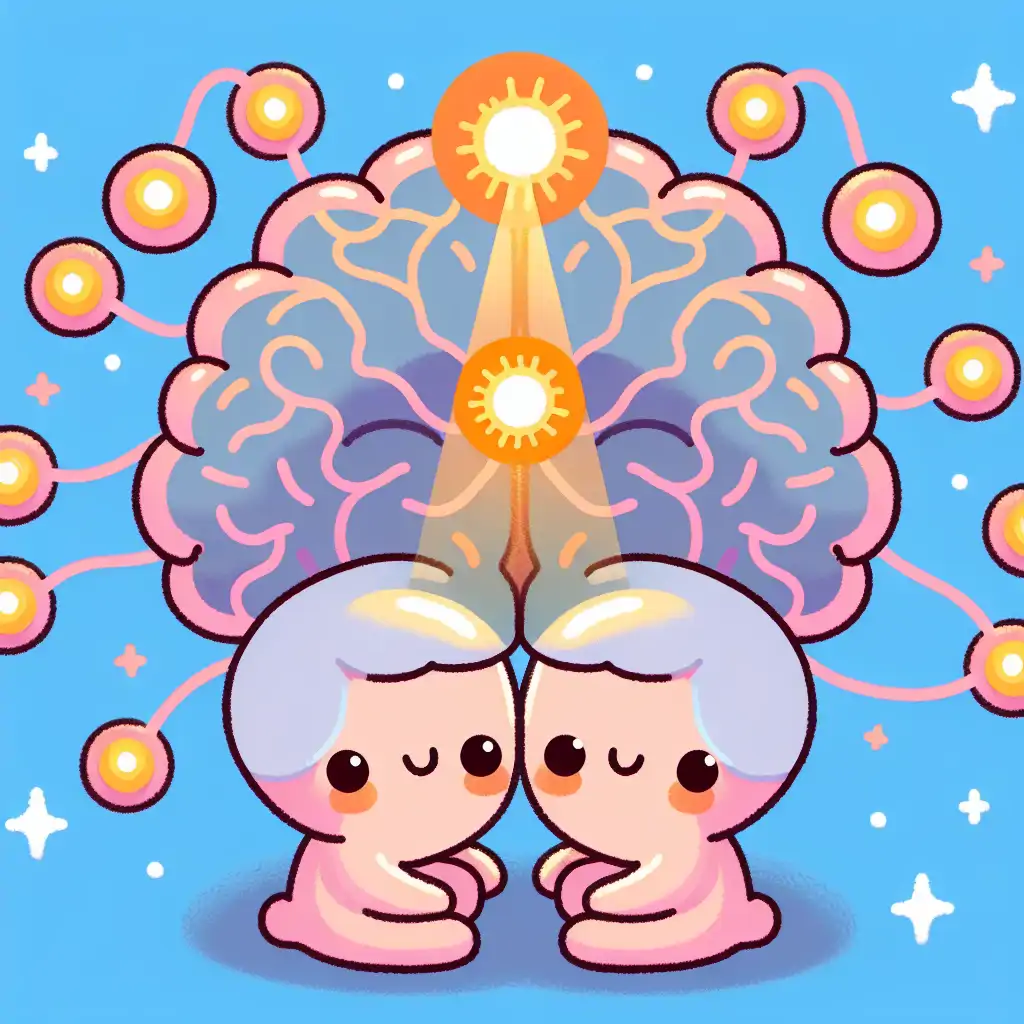
Empathy is not only a noble virtue but also a fascinating subject in the world of neuroscience. Scientists suggest that our brains are wired for empathy—neural pathways light up like a Christmas tree when we connect with others. This neural party centers around mirror neurons, the VIP guests that help us mimic emotions and actions. When you see someone stub their toe and wince, you too might cringe and feel a phantom pain coursing through your foot. So next time someone accuses you of being too sensitive, tell them it's basic brain wiring at work!
The beauty of empathy lies in its transformative power. Imagine a world without empathy—a cold, transactional place where people pay little heed to each other's emotional states. Enter empathy, the great equalizer, turning dismissive glances into understanding nods, and apathy into concern. It nudifies our raw human need for connection and validation. This superpower is not restricted by age; children demonstrate budding empathy when they share toys or console a crying classmate, while adults engage it when they lend an ear to a stressed colleague or a friend whose heart resembles a crushed piece of paper.
Now, let’s navigate the tumultuous waters of bullying. Traditionally, responses to bullying have involved punitive measures: time-outs, detentions, and, occasionally, standing in the corner contemplating the mysteries of parallel lines. However, these responses often miss the root of the problem. A more effective approach lies in cultivating empathy both in the bullied and the bully. Teaching individuals to recognize and value the emotions of others can thwart the cycle of hostility. It encourages an environment where vulnerability is met with support rather than ridicule.
Real-world examples highlight empathy’s ability to weave magic. Picture a classroom scene—a classic bully, Sam, teasing another student, Alex. The teacher introduces a role reversal exercise, permitting the bullies to walk in the shoes of their targets. After imagining a day as Alex, feeling the sting of words and isolation, Sam's perspective shifts. The mimicry of emotions creates a salient epiphany, fostering a respect for Alex’s experiences. Gradually, Sam, formerly the bane of many lunch breaks, becomes a friend. It’s psychological alchemy, turning leaden hostility into gold-standard friendship.
Incorporating empathy in school curriculums can dramatically reshape social dynamics. Pro-social activities such as storytelling foster empathy by inviting students to traverse diverse perspectives. 'What if?' games—a spin on childhood favorites—encourage imaginative empathy. What if you were the new kid in school? What if your family couldn't afford a new pair of sneakers? Imagining different realities creates wormholes through which understanding travels. Schools implementing empathy workshops report lower instances of bullying and higher levels of student cooperation than their empathy-resistant counterparts.
Parents, wielders of an invisible parenting guidebook, can be influential empathy champions. Modeling empathetic behavior is caught, not taught—akin to the superpower of always locating your child’s lost socks. When children see caregivers responding empathetically in everyday interactions, they begin to incorporate these reactions into their personal interactions. Whether it's by sharing stories at the dinner table or volunteering together, these moments refine and nurture a child's emotional toolkit.
Teachers, armed with lesson plans and an arsenal of red pens, can promote empathy by creating classrooms that celebrate inclusivity. Morning circles where students share personal stories encourage empathy-rich environments. The act of listening becomes a practical lesson in respect, and the ripple effect extends beyond school walls. Teachers who employ empathetic methods report students who not only perform academically but become socially responsible individuals—potentially the next generation of empathetic leaders poised to tackle bigger societal challenges.
Let us not forget our power as individuals to foster empathy in everyday scenarios. In workplaces, advocating for open dialogues and understanding can create collaborative spaces where everyone's voice is heard. Empathy, though seemingly intangible, directly impacts workplace satisfaction, reducing turnover rates and burnout. A simple 'How's your day going?' coupled with genuine interest can turn dreaded Monday meetings into opportunities for connection.
Empathy’s superheroes do not always wear uniforms; sometimes, they wear the skin of someone vulnerable. Individuals who've faced bullying understand the profound impact of empathy, often transformed into advocates of compassion. Their stories serve as blueprints and inspiration for empathetic practices worldwide. Listening to these narratives provides invaluable insights, furthering the understanding of bullying's complex psychological landscape and advocating strategies that transcend punitive measures.
As we navigate parenting, education, and corporate culture, the message is clear: empathy leads to understanding, which begets healing. When confronted with a potentially bullying situation, our empathy-radar should activate, reminding us to consider the hardships or insecurities a bully might be masking. This does not excuse harmful behavior but teaches us that the journey toward kindness sometimes requires detours into understanding and addressing underlying issues first.
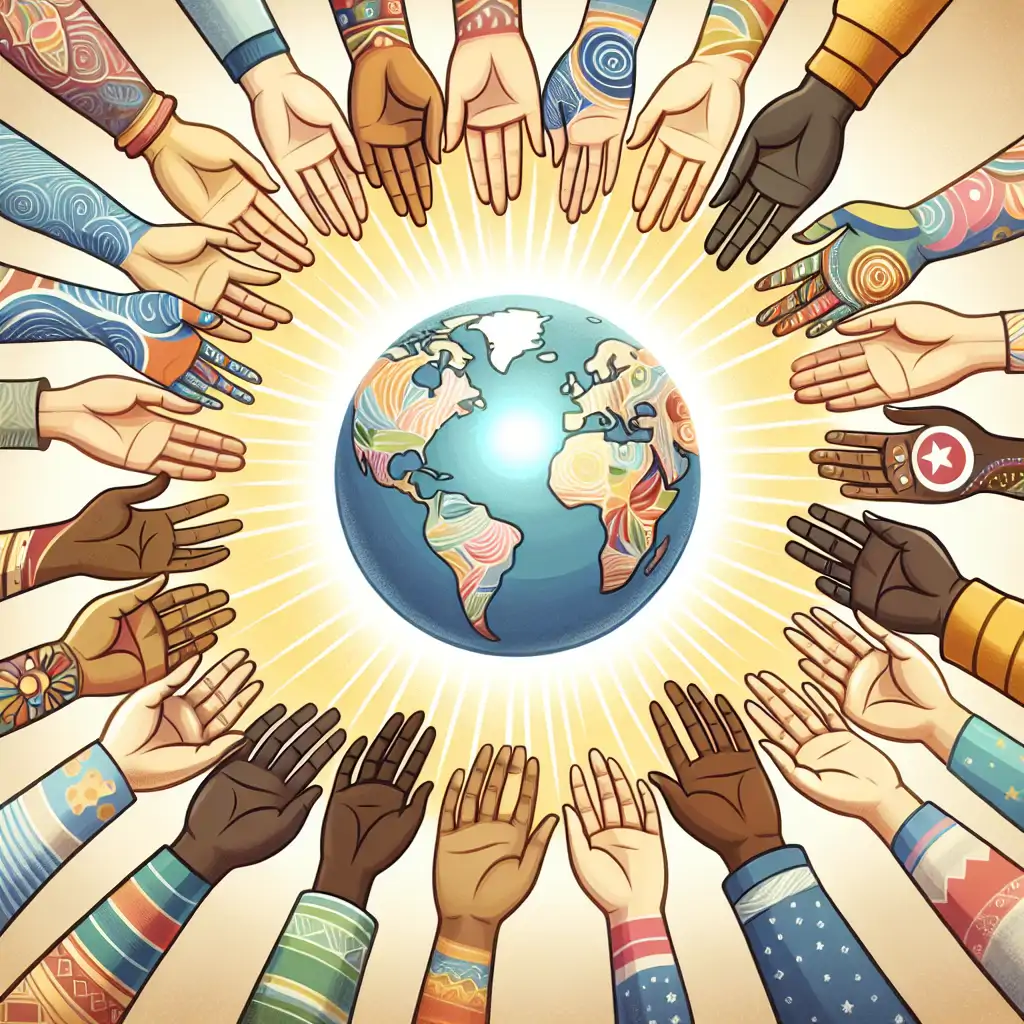
In a world that often feels divided, empathy stands as a beacon of hope, connecting us beyond our differences. By nurturing this superpower, we can turn bullying from a silent epidemic into a obsolete relic. Empathy's infallible recipe invites us all to contribute, reimagining dialogues, and collectively building safer communities. The transformation begins not with grand acts but with small, intentional conversations, and understanding at home, in schools, and across societies.
As we champion empathy as a central strategy against bullying, its capacity to heal and build bridges becomes evident. Each empathetic encounter shapes the narrative of our world, nudging it towards connection rather than conflict. Though empathy might not wear a recognizable symbol or have an orchestrated theme tune, it diligently works to empower the oppressed and humanize those driven by their insecurities.
Let us take the common human superpower of empathy seriously, charging forth not with shields but with open hearts and minds. In doing so, we rewrite the storyline, showcasing empathy as the powerful protagonist in humanity’s quest for kindness and understanding. Join us in this empathetic journey—because every word, every touch of understanding, counts toward a kinder world.
Thanks for taking the time to read my article! You may also find this one interesting.
The Comedy of Bullies: Laughing Mindfully at Their TacticsTil next time! Katie

Katie
Katie is a wildlife guru by day and a passionate part-time blog writer. With her deep expertise in nature and a gift for vivid storytelling, she crafts compelling articles that bring the wonders of the wild to life, captivating readers with her knowledge and love for the natural world.
A proud member of the B-Team
If you're curious to dive deeper into related topics, then you may find these external links useful.
1. Greater Good Science Center
A resource from UC Berkeley that explores the scientific research behind empathy, compassion, and prosocial behavior, providing insights into the neuroscience of empathy.
https://greatergood.berkeley.edu/2. Empathy in Education
An article or report discussing the incorporation of empathy into school curriculums and its impact on reducing bullying and improving student relationships.
https://www.researchgate.net/publication/365989627_Empathy_in_Education_A_Critical_Review3. Empathy and Neural Pathways
A neuroscience-focused article explaining how mirror neurons and other brain structures facilitate empathy, helping individuals understand and share emotions.
https://www.sciencedirect.com/science/article/pii/S01680102140023144. Bully Prevention Through Empathy
A case study or program overview describing how empathy training can prevent bullying in schools, with examples of successful interventions.
https://ncbi.nlm.nih.gov/pmc/articles/PMC10044840/5. Empathy at Work
A guide or study on fostering empathetic workplaces, detailing how empathy improves collaboration, reduces burnout, and enhances employee satisfaction.
https://hbr.org/2023/02/practice-empathy-as-a-team©2023 - 2026 SP Software Solutions Ltd. All rights reserved.