The Comedy of Bullies: Laughing Mindfully at Their Tactics

In the grand stage of life, bullies often position themselves as the main act, with all their smoke, mirrors, and blaring horns. But what if we could turn the spotlight onto them and see their antics for what they truly are: a clumsy comedy of errors? Laughter, they say, is the best medicine, and perhaps it’s time we used it to heal the wounds left by such performers. This blog is your ticket to a front-row seat at a comedy show starring the bullies themselves. We’re not here to belittle the painful experiences they cause, but rather to reclaim the narrative by understanding and laughing mindfully at these not-so-funny jokes.
Bullies, to draw a parallel with seasoned comedians, often rely on a repertoire. Only, instead of slapstick or wit, their tactics include intimidation, manipulation, and aggression—tools as old as time yet somehow still in vogue. But what if, like a sitcom we all know by heart, we could break down these acts, understand the punchlines, and transform them into avenues of empowerment rather than pain? Laughter, used wisely, helps us to demystify their tactics and remind us that their so-called power is based more on illusion than reality.
So slip on those oversized clown shoes and slap on a smile, as we embark on a journey to dissect the comedic tragedy that is bullying. We aim to equip you with insight, laughs, and practical advice on turning the tables with empathy and humor. Join us as we explore the comical underbelly of bullying, inspiring confidence and connection along the way. Because sometimes, when you stop taking the bully too seriously, you start taking control of your own story.

Let’s start with the classic ‘Insult Humor’—a staple in a bully’s repertoire. Bullies believe throwing hurtful words around gives them power, but when viewed from a different angle, these barbs often reflect more about them than about the intended targets. Picture this: a bully on stage, hurling insults like wooden tomatoes. It only takes an audience to see through the act for the illusion to shatter. Understanding that their words are an extension of their own insecurities provides the first chuckle, as they stand exposed like someone reading old jokes from a dusty joke book.
Next up is the ‘Exaggerated Ego’ routine, where bullies position themselves as the undisputed rulers of their domain. Their bravado, much like an overacting comedian, reveals its own self-doubt when examined closely. Imagine a bully boasting of their imagined exploits on stage, only for a spotlight to reveal the cracks in the facade. Laughing at the absurdity of these tales turns what was once intimidation into a skit, highlighting just how thin the veneer of authority actually is.
Enter the ‘Physical Comedy’ portion of their act - the threat of physical dominance. Much like a slapstick sketch with banana peels and pratfalls, their threats are more smoke and mirrors than actual danger. View their attempts at intimidation through the lens of a Buster Keaton film and you see the reality: a desperate grab for control in a world they feel disconnected from. By understanding this, their aggressive posturing becomes less Da Vinci and more Da Vandals in the art gallery of life.
The ‘Silent Treatment’ gag is another favorite. Bullies often wield silence as a weapon, hoping to instill a sense of fear and isolation. However, when considered from the angle of comedy, this act starts to appear like some silent film comedy, filled with dramatic pauses and exaggerated gestures. Seeing the silent treatment as a performance, void of any sound reasoning, reveals it to be the all-too-predictable punchline to their insecure antics.
One cannot overlook the ‘Sidekick Ensemble’—the gang of sycophants that bullies use to augment their show. Picture them as a group of backup dancers following the lead of an overly dramatic pop star. The comedy lies in their willingness to follow blindly, unaware that their forced enthusiasm turns the performance into a parody. Viewing these sidekicks as partners in a routine rather than threats highlights their lack of individual strength and ironically affirms the bullied individual's unique strength.
Then there’s the ‘Courtroom Drama’, where bullies attempt to litigate the truth with wild accusations and victim-blaming theatrics. Like a courtroom TV drama, it’s all about emotional manipulation and spectacle. Once the gavel hits, however, the reality can be strikingly different than what’s portrayed. Understanding their tactics can inject a dose of laughter, as the absurdity of their ‘cases’ becomes evident, shedding light on their fear of truth and accountability.
Bullies also love to rely on the ‘Talent Show’ act, where they use deception and manipulation to highlight their so-called skills or superiority. Think of it as a talent show where the presenter keeps bungling every act. Through this lens, acknowledging their need for validation, we begin to see the farce behind the charade. The comedy lies in exposing the feigned confidence which, like a crumbling set piece, doesn’t hold up under scrutiny.
At this point, you may feel you’ve seen this series before—because their routines run on predictable cycles. The ‘Groundhog Day’ Effect is the repetitive pattern of bullying. It feels as if you're watching the same vastly unfunny joke repeated without new material. Recognizing this pattern empowers us to anticipate and manage their tactics, turning each encountered episode into another scene in a self-referential comedy about a bully lost in their own insecurities.
Humor as a defense mechanism is a powerful counter. 'Roasting’ the bully mentally by imagining their acts as part of an SNL sketch can provide not only solace but perspective. Imagine a weekend update where your experiences are scripts acted out by your favorite comedians. This humor not only protects but also transforms how one perceives threats—subverting power through comedic reinterpretation.
On the topic of 'Roasting', sometimes direct humor can be used effectively but kindly, turning the tables in real time. If a bully makes an embarrassing blunder, laughing with them (not at them) can diffuse the situation. It can subtly show how exposed their tactics are. It requires quick thinking and emotional intelligence—a balancing act worthy of a stand-up comedy special.
Empathy bridges the gap in ways humor complements. Delve deeper into the reasons why bullies resort to their playground tactics, and you’ll frequently discover a spiral of insecurity and unmet needs. Comedy’s power lies in forging understanding and reducing tension. By dwelling on the vulnerability behind their behavior, it becomes easier to retain one’s confidence and respond with poise rather than retaliating with hostility.
Let’s juxtapose with the 'Improv Show'—every interaction has the potential to be an unscripted examination of human behavior. Bullies are just actors cast into roles they might not even understand, constrained by their walk-ons. Seeing these interactions as improv sketches allows for relaxation and wit. These scenarios become live performances with the power to redefine narratives and even change another’s perspective.
The ability to laugh requires the maintenance of a healthy mindset, not ignoring the pain but transforming it. Understanding this distinction is paramount. When a situation becomes harrowing, visualize it as a dark comedy short where the main character overcomes adversity with humour and heart. One's journey thus turns into a hero’s progress rather than an endless tragedy.
Bullies fear ridicule and irrelevance—more than punchlines, they are afraid of their acts being unmasked as nonsense. Schopenhauer said that ‘will’ is everything; reappropriated here, it implies that recognizing these antics reveal how insignificant they are. Comedy unveils these routines as not authoritative demands but desperate cries for validation, thus empowering one to be unmoved and resilient.
Offer chivalric humor when possible: kind quips, not cutting cruelty. Comedy can construct bridges rather than burn them, encouraging mutual growth. Sometimes, just acknowledging the absurdity of a situation and moving on can have a powerful effect. This humor becomes a social tool, a velvet hammer encouraging introspection rather than alienation.
Adopt the mindset of a jester in court—a playful, candid observer of life’s folly unbound by fear yet anchored in authenticity. Find comfort as you channel your inner jester, imagining your life as engaging with their dramatics humorously. Embrace the playful wisdom hidden within you to outmaneuver the king’s tirades with lighter perspective.
Set boundaries as comedians set up tension in their act, making it clear what is acceptable. Just as a comedian finds the sweet spot between risk and reward, so must individuals draw lines that protect self-worth—however perceived means. Understanding your worth validates you, transforming boundaries into sketches wherein the central narrative revolves around your power.
The audience has a great role too. Surround yourself with supporters who appreciate humor and see the show of bullying for what it is. Laughter is contagious—finding allies who share this view seamlessly integrates camaraderie into facing adversity. These ties form networks, supporting each other through jests that strengthen bonds against the solitary laugh of the bully.
Consider engaging the bully in discussions similar to dialogues crafted in selective shows. Sometimes, confrontation removes the mask, rendering tactics powerless. Engage bullies as equals, conversing as if in a shared dialogue rather than allowing their one-sided act to proceed unchecked. During this interaction, keep communication light, non-confrontational, yet firm.
For self-reflection, imagine you are both protagonist and narrator, observing the comedy of errors from outside. Acknowledge your strength lying in objectivity, displaying your capability to overcome challenges by detaching from the chaos and contributing your perceptions sagaciously. This outlook reinforces resilience as calmness meets empathy, embodying strength others may seek.
To laugh mindfully is to live fully. Laughter doesn't signify escaping reality but embracing it with eyes wide open. Bullies and their tactics can be likened to confused comedians dying on stage, their performances unmitigated by genuine connection. Use contentment and understanding as the spotlight—turning the gimmicky spotlight to their greener performances.
Imagining yourself in a comedic anthology can serve as inspiration. As each season unfolds, there are episodic triumphs and adversities, ultimately interwoven into the greater narrative where laughter supersedes pain. The lens through which you view episodes grants autonomy to reinterpret experiences, revealing silent wisdom amidst laughter and wild antics.
The narrative of humor doesn’t end with unmasking bullies but transforms life's challenges with collective merriment. Draw upon your life's archive of comedy sketches, engaging tales that inspire positive connectivity and growth. Embrace your surroundings as improvisational settings facilitating character development, allowing both laughter and empathy to enhance your journey.
As performances evolve, so do themes of humor. It isn’t competing with adversity, but yearning to express the human condition authentically. Challenges faced as bystanders or cast members in the comedy routine of life evolve their nature over time, transitioning from the source of discomfort into avenues bringing laughter with growth.
Taking control of your narrative liberates possibilities for acknowledging insights obtained through lived experiences. Afforded fresh outlooks derive happiness from rich, invigorating comedy rooted in reality. Laughter becomes synonymous destination-desired experiences and motivation for discovery. Framing these encounters trenchantly alters responses, standings, and perceptions.
Let humor flourish as a companion amid life's unpredictability. In improvisation’s embrace, elevate envisionment of interactions through multi-dimensional coexistence of humor and empathy. Welcome comedic empathy as more than an accompaniment—a key element unlocking iterative progressions towards understanding, consistency, and equilibrium. Embrace humor's transformative strength.
As we transcend past biases from their intimidating shadows, harmony evolving continually beyond initial perceptions emerges. Refuse ensnarement by regressive routines—inhale laughter’s bright air. Transformation beckons comprehension unlocking wide vistas of positivity, linking connection reminiscent hearts eternally on comedic waves cresting ever upward.
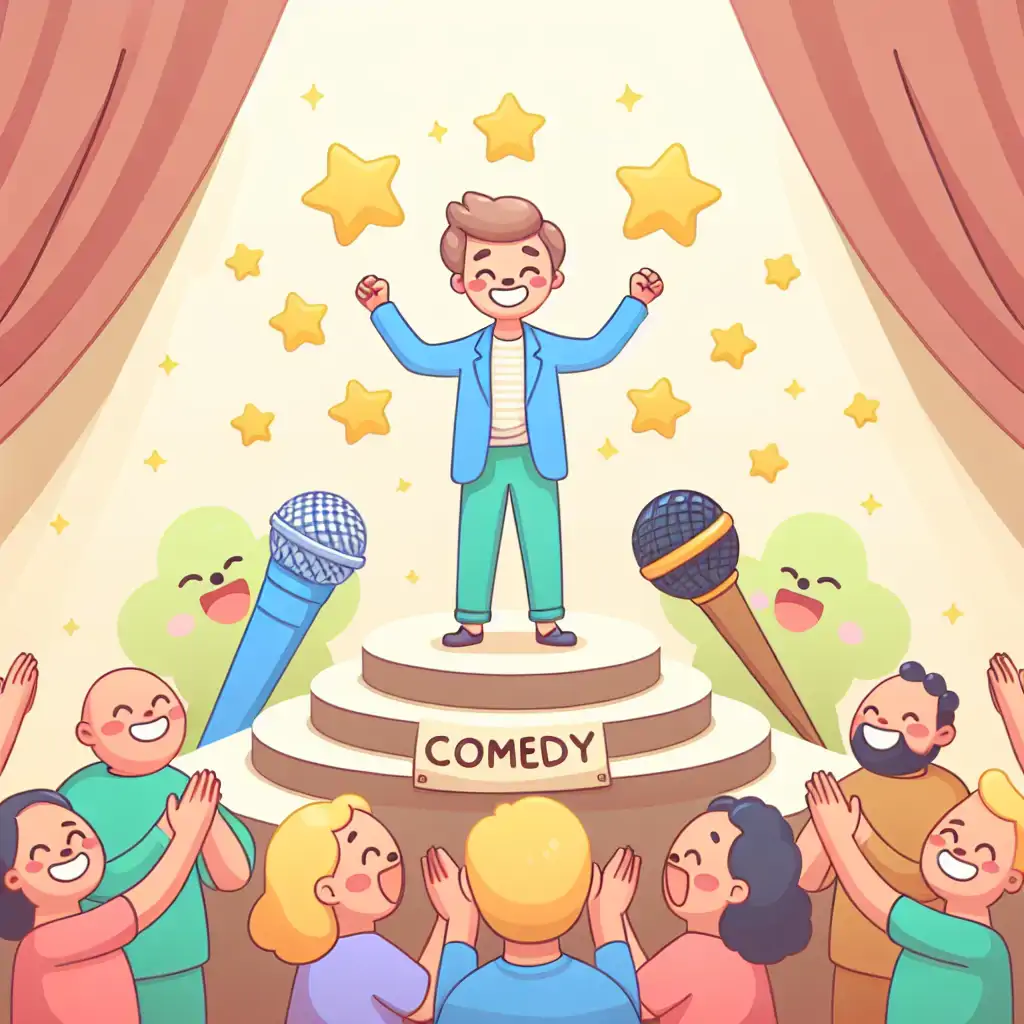
Navigating the chaotic world of bullying can feel daunting. However, adopting a comedic perspective not only disarms bullying tactics but also strengthens individuality and resilience. When we approach these challenges with humor, we defuse them, unraveling their tightly spun webs of insecurity and control. Embracing laughter equips us with the strength to navigate complex social dynamics with positivity and poise.
Incorporating comedy into our life’s toolbox promotes healing and growth. This isn’t ignoring the real emotional pain caused by bullying, but a transformative redefinition of those experiences to foster understanding, empathy, and resilience. Laughter and humor allow us to reclaim our narrative by highlighting strength and resilience instead of hurt and helplessness, instilling us with self-empowerment.
Ultimately, understanding and confronting bullies through the lens of comedy creates not only an impactful personal shift but also ripples of positive influence influencing societal perceptions on bullying. By recognizing and disarming bullying tactics, we reaffirm our narrative's virtues and advocate for empowerment and change, crafting a world where humor, empathy, and understanding dissolve the weight of oppression.

Prijanka
Prijanka is a wellness coach and inspired blog writer. Drawing from her expertise in holistic health and her talent for motivating others, she writes insightful articles that empower readers to live healthier, more balanced lives, blending practical advice with a genuine passion for well-being.
A proud member of the B-Team
If you're curious to dive deeper into related topics, then you may find these external links useful.
1. The Power of Humor in Coping with Bullying
An article exploring how humor can be an effective tool for coping with and disarming bullying, offering insights relevant to turning bullying scenarios into opportunities for empowerment and laughter.
https://link.springer.com/article/10.1007/s42380-021-00095-62. Psychology Today: The Role of Humor in Resilience
This resource delves into the psychological benefits of humor in fostering resilience, aligning with the idea of using comedy to navigate and overcome bullying.
https://www.psychologytoday.com/us/blog/everyday-resilience/202207/humour-pillar-resiliency3. Bullying and the Comedy Behind It
A blog post that analyzes the comedic aspects of common bullying tactics, providing a perspective similar to reframing bullying scenarios as humorous sketches.
https://www.psychologytoday.com/us/blog/experimentations/202105/the-broad-impact-school-bullying-and-what-must-be-done4. How Comedy Can Break Down Social Barriers
An insightful discussion on the potential of comedy to bridge divides and promote understanding, relevant to using humor to transform the narrative around bullying.
https://blogs.lse.ac.uk/impactofsocialsciences/2024/03/22/the-revolution-will-be-hilarious-comedy-for-social-change-and-civic-power-review/5. Using Empathy and Humor to Combat Bullying
This article focuses on the balance between empathy and humor as strategies to combat bullying, resonating with the idea of turning the tables on bullies with laughter and connection.
https://pubmed.ncbi.nlm.nih.gov/24894581/©2023 - 2026 SP Software Solutions Ltd. All rights reserved.