Beyond Words: Harnessing Positive Communication to Prevent Bullying
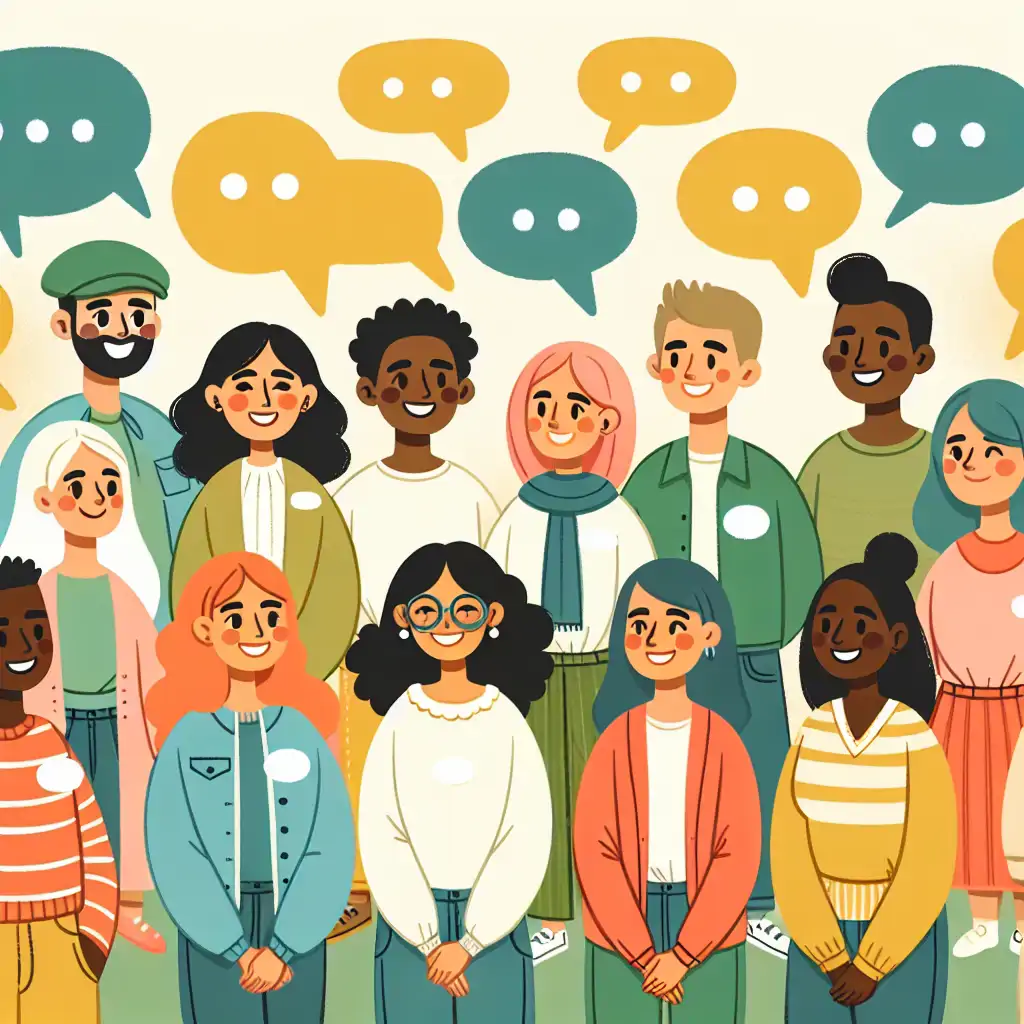
Communication is like that elusive hair gel that holds everything together without making a scene. In the grand labyrinth of human interactions, words possess the power to either ignite conflict or extinguish fires. Enter the realm of positive communication, a transformative tool that can prevent bullying and foster healthy relationships. We often underestimate how simple phrases can either uplift or tear down individuals, creating ripples that affect whole communities. In the intricate dance of social dynamics, the right words can lead to a culture of respect and understanding, crafting an environment where bullying finds no ground to stand on. So, let your words not be mere echoes in the void, but instruments of change, encouraging open dialogue and empathetic listening. Let’s embark on a journey to explore how positive communication can revolutionize the way we engage, offering practical tips for parents, educators, and allies alike to foster constructive conversations. Welcome to a world where talking is not just about speaking but about connecting, preventing conflict, and ultimately defeating bullying through understanding.
A typical day can overflow with words—both spoken and unspoken—but what matters is the intent and impact of those words. Research reveals that positive communication not only fosters enjoyable interactions, but it also serves as an effective weapon against bullying. Delivered with a dash of humor, potent stats, and clear strategies, this guide illuminates how we can wield communication as a powerful tool for change. Ready to transform your dialogues? Let’s dive deeper into the nuances of speaking and listening, cultivating environments where respect is as contagious as laughter.
Before we dive headlong into this conversation revolution, let’s ponder the proverbial sticks and stones. Words might not break bones, but they can certainly trample spirits if we're not careful. Understanding the very essence of communication goes beyond its dictionary definition. It’s about connection, empathy, and the genuine aim to understand and be understood. The nuances of dialogue can make or break an environment, affecting emotional and psychological interactions in the short and long term. Hence, the pressing need to decode the secrets behind effective communication strategies, which hold the power to dismantle bullying and build harmonious communities.

Positive communication may sound like an overly optimistic concept, conjuring images of unending glee and sunshine. But don’t worry, it doesn’t require us to become eternal optimists or speak in lines of motivational posters. At its core, positive communication is about fostering a dialogue rooted in empathy, respect, and genuine concern for others. It's the secret sauce that can transform a potentially hostile environment into a haven of understanding. Studies have shown that when positive communication is prioritized in schools, workplaces, and homes, bullying incidents notably decrease, creating otherwise unheard harmonies in places often marked by discord.
So, let’s get nerdy with this. The science behind communication is fascinating. It dives into the neurochemical reactions triggered by words. When we engage in constructive conversations, our brains release oxytocin, often called the 'bonding hormone,' which enhances social bonding and reduces stress and anxiety. Conversely, negative communication activates stress responses, elevating cortisol levels and potentially creating environments ripe for conflict. This physiological connection underscores why it’s vital to focus our conversations on building bridges rather than creating barriers.
If you think that avoiding negative conversations equates to walking on eggshells, think again. Positive communication simply means expressing thoughts in a manner that acknowledges and respects the other person’s perspective. It involves active listening, maintaining eye contact (without the dreaded intense staring contest), and delivering feedback that’s constructive rather than destructive. Research further indicates that such communication styles promote healthier relationships and curtail bullying by encouraging those who communicate positively to become role models for others.
One exemplary figurehead in positive communication is NVC or Non-Violent Communication, a concept developed by psychologist Marshall Rosenberg. It focuses on empathetic understanding and expressions that highlight our needs without blaming others. NVC emphasizes honesty and empathy, encouraging individuals to communicate what they feel and value, leading to a more compassionate understanding. Imagine an ecosystem where dialogues promote peace—sound idealistic? With NVC, it’s a feasible reality.
In practical terms, how do we harness the power of positive communication in daily life to stamp out bullying? Start by promoting self-awareness and reflection. Young minds, in particular, require guidance in understanding how their communication affects others. Encourage them to pause and reflect on how words might impact their peers—a simple 'how would you feel if?' approach can work wonders. Empower kids with the tools to express their feelings, shifting from a mere reactionary stance to one of thoughtful assertion.
Active listening is another cornerstone of positive communication. It’s not just about waiting for your turn to speak while only half-listening to your conversation partner. Truly listening means engaging with the speaker, asking questions, and paraphrasing to demonstrate genuine interest. Cultivating an environment where everyone feels heard disarms potential bullying, creating a safe space for dialogue.
Educators and parents play a critical role in modeling positive communication. Children learn more from what we do than what we say. Demonstrating empathy, acknowledging mistakes, and offering apologies are powerful teaching moments. These actions show youngsters how to communicate their needs and take responsibility, making them less likely to resort to bullying to express themselves.
A lighthearted approach can transcend typical interactions, bringing an element of humor to dismantle tense scenarios. Ensuring the humor is inclusive and not at the expense of others is vital, though, once mastered, laughter becomes a unifying force, diffusing potential hostility and building camaraderie.
Language sets the tone for our communities. It’s the glue that connects individuals, from the smallest micro-interaction to the broader societal dialogue. Positive communication can transform this language into an ally rather than a saboteur. Banishing sarcasm or patronizing comments, replacing them instead with genuine inquiry and affirmation, is key to building an atmosphere where everyone feels valued.
Picture a world where bullies are replaced by buddies, where hurtful words lose their sting, absorbed by the positive affirmation around them. This isn’t a whimsical fantasy; it’s an attainable goal through mindful cultivation of communication. Schools implementing this approach report improvement in student relationships and cooperation, demonstrating the real-world effect of these strategies.
Let’s touch on technology—the double-edged sword of communication. While it facilitates incredible connections worldwide, it also provides a platform for cyberbullying. Positive communication must extend into the digital world, where texts and comments can be misinterpreted without the nuances of tone and body language. Teaching digital empathy and practicing positive communication online becomes as crucial as offline interactions, arming individuals with the skills to navigate technological landscapes safely.
Creating a bully-free world through communication starts with how we perceive our words' impact and intention. It’s about fostering habits of courtesy and learning to navigate differences with curiosity rather than aggression. It begins with 'please' and 'thank you' but doesn’t stop there. It includes validating each other's feelings, even when they aren’t fully understood. Compassionate communication develops not just empathy but an appreciation for diversity in thought and emotion.
What about the apparent fine line between assertiveness and aggression? Positive communication doesn't suppress one’s voice. Instead, it encourages expressing oneself confidently while respecting others—a balancing act that, when mastered, promotes assertive, healthy interactions without infringing on another’s sense of self.
Bullying often thrives in environments fueled by misunderstandings and unresolved conflicts. When we teach conflict resolution as a staple of communication, offering tools to dissect rather than avoid issues, we empower individuals to transform potential bullying situations into opportunities for growth and understanding.
Role-playing exercises are effective tools in learning positive communication. These enable participants to simulate difficult conversations before they happen, offering a safe space to 'practice' being empathetic listeners and articulate speakers. It’s essentially a communication rehearsal, preparing us to respond thoughtfully instead of react impulsively.
Being mindful of language also includes being aware of non-verbal cues. Our body language, facial expressions, and overall demeanor contribute to the atmosphere we create. A smile, a nod, or a gesture of openness signals understanding and acceptance, counteracting an environment where bullying might flourish.
Let’s champion storytelling as a powerful vehicle for communication. Sharing personal stories creates relatability and understanding, fostering empathic dialogues. When we share, we invite others into our world, offering them a clearer lens of our perspective, bridging gaps that may otherwise fuel bullying.
Conflict is natural, and when addressed openly and positively, it can catalyze growth rather than perpetuate bullying. Encourage open discussions about disagreements, seeing them as opportunities for collaborative problem-solving rather than battles to be won or lost.
Educational programs focused on emotional intelligence can act as a crucible for positive communication. These programs teach individuals to recognize and manage their emotions effectively, reducing the risk of escalation into bullying behaviors.
Now, what about the times conversations turn awkward or uncomfortable? Embrace it! These are moments for growth. Awkwardness often accompanies learning, especially in developing new communication skills. Embrace errors as part of learning, assuring those around you that communication is a skill that improves with use and practice.
Promote an inclusive environment by valuing every voice. Acknowledging contributions and encouraging diverse opinions empowers each person present. Inclusion dispels the isolation that bullying feeds upon, promoting a more unified and understanding community.
True, words can be miraculously transformative, but beware the temptation to fake positivity merely for appearance's sake. Authenticity and sincerity in our communication build trust, inviting others to engage openly and honestly.
Positive communication doesn’t nullify boundaries. Setting healthy boundaries and expressing them clearly is a form of respect, not confrontation. Empower individuals to articulate personal limits, ensuring those boundaries are honored and respected.
To amplify positive communication’s influence, it’s imperative to practice it consistently, making it a hallmark of our personal and communal interactions. Quickly adapting these qualities universally raises the collective emotional and social intelligence of the communities we live in.
Lastly, fostering positive communication doesn't mean avoiding difficult conversations. It encourages tackling them with grace, ensuring that honesty doesn’t get lost in translation. It’s about engaging with challenges comfortably, promoting dialogues that encourage exploration and understanding.
Real-world application of positive communication principles significantly lowers bullying rates. Studies back this up! Schools that promote open communication find reduced instances of bullying and an increased feeling of safety and inclusivity among students.
Building a culture backed by positive communication requires dedication and societal participation. Whether you’re a parent, teacher, or ally, your influence extends broadly. Together, systemic dedication to these practices fosters a kinder, more compassionate future.
In summation, communication is more than words spoken. It’s an art and a science reflecting our intentions, carving pathways to either connections or disjunction. When used positively, it becomes a catalyst for change, transforming our societal landscape into one where bullying cannot survive.

As we wrap up this exploration into positive communication, it’s important to remember that change begins with intention. Approaching conversations with empathy and respect transforms not only individual relationships but entire communities. The pursuit of positive communication isn’t just about avoiding conflict—it’s about actively creating environments where bullying cannot thrive. By understanding the profound impact of our words, we equip ourselves and future generations with the tools to foster compassion and understanding.
Whether you're guiding a young learner, leading a classroom, or simply advocating for a world free of bullying, positive communication stands as our stalwart ally. As an instrument of change, it empowers individuals to stand together, building a foundation of respect and inclusion robust enough to withstand adversity. Embracing these practices promises not just safer environments but richer, more fulfilling social interactions.
Let’s commit to revolutionizing the way we speak, listen, and connect. By embracing the art of positive communication, we lay the foundation for a brighter, bullying-free world. So, next time you find yourself amidst a bustling interaction, remember this guide and know that a simple choice in words holds the power to heal, inspire, and transform.
Thanks for taking the time to read my article! You may also find this one interesting.
The Empathy Equation: Harnessing Emotional Intelligence to Combat BullyingTil next time! Katie

Katie
Katie is a wildlife guru by day and a passionate part-time blog writer. With her deep expertise in nature and a gift for vivid storytelling, she crafts compelling articles that bring the wonders of the wild to life, captivating readers with her knowledge and love for the natural world.
A proud member of the B-Team
If you're curious to dive deeper into related topics, then you may find these external links useful.
1. Positive Communication Strategies
A resource detailing strategies for fostering positive communication, including techniques to prevent bullying and improve interpersonal relationships.
https://positivepsychology.com/positive-communication/2. Non-Violent Communication by Marshall Rosenberg
An overview of Non-Violent Communication, exploring empathetic communication techniques that emphasize needs without blame, contributing to reduced bullying.
https://www.cnvc.org/3. The Science of Positive Communication
An article explaining the neurochemical effects of positive communication, such as the release of oxytocin and reduction of stress, supporting harmonious environments.
https://hbr.org/2014/06/the-neurochemistry-of-positive-conversations4. Educational Programs on Emotional Intelligence
Information on programs that focus on emotional intelligence, teaching individuals to recognize and navigate emotions effectively, thus reducing bullying behaviors.
https://www.gse.harvard.edu/ideas/edcast/24/03/why-emotional-intelligence-matters-educators5. Impact of Positive Communication in Schools
A study showing the effect of positive communication implementation in schools, highlighting reduced bullying rates and increased student safety and inclusivity.
https://www.ncbi.nlm.nih.gov/pmc/articles/PMC8356322/©2023 - 2026 SP Software Solutions Ltd. All rights reserved.