The Ripple Effect: How Bullying Impacts the Community

Picture this: you're standing by a serene pond, and you casually toss a pebble into the water. As it hits the surface, ripples begin to form, expanding outward in concentric circles. Bullying is much like that pebble; its immediate impact may seem isolated, but the repercussions spread far and wide, affecting more than just the victim and the perpetrator. As we pull back the curtain on bullying, it becomes evident that these actions seep into the very fabric of communities, permeating through schools, workplaces, and neighborhoods, often leaving behind a trail of discord and disharmony.
While it might be easy to imagine bullying as a schoolyard issue where Johnny steals Timmy's lunch money, reality paints a more complex canvas. Bullying can trigger a cascade of negative consequences that echo through entire communities, creating environments filled with fear, eroding trust, and breeding a culture of silence. It's like a game of Jenga in social form; remove one block and everything teeters on the brink of collapse. To truly address bullying, it's essential to acknowledge the broader societal implications.
As humorous anecdotes and light-hearted analogies guide us through this investigation, we delve into how these unwanted behaviors disturb communal peace and harmony. Our journey not only illuminates the far-reaching impact of bullying but also equips communities with strategies to foster environments of empathy and inclusivity. It's time to transform those ripples into waves of positive change, forging a path toward a more understanding and supportive culture for everyone involved.
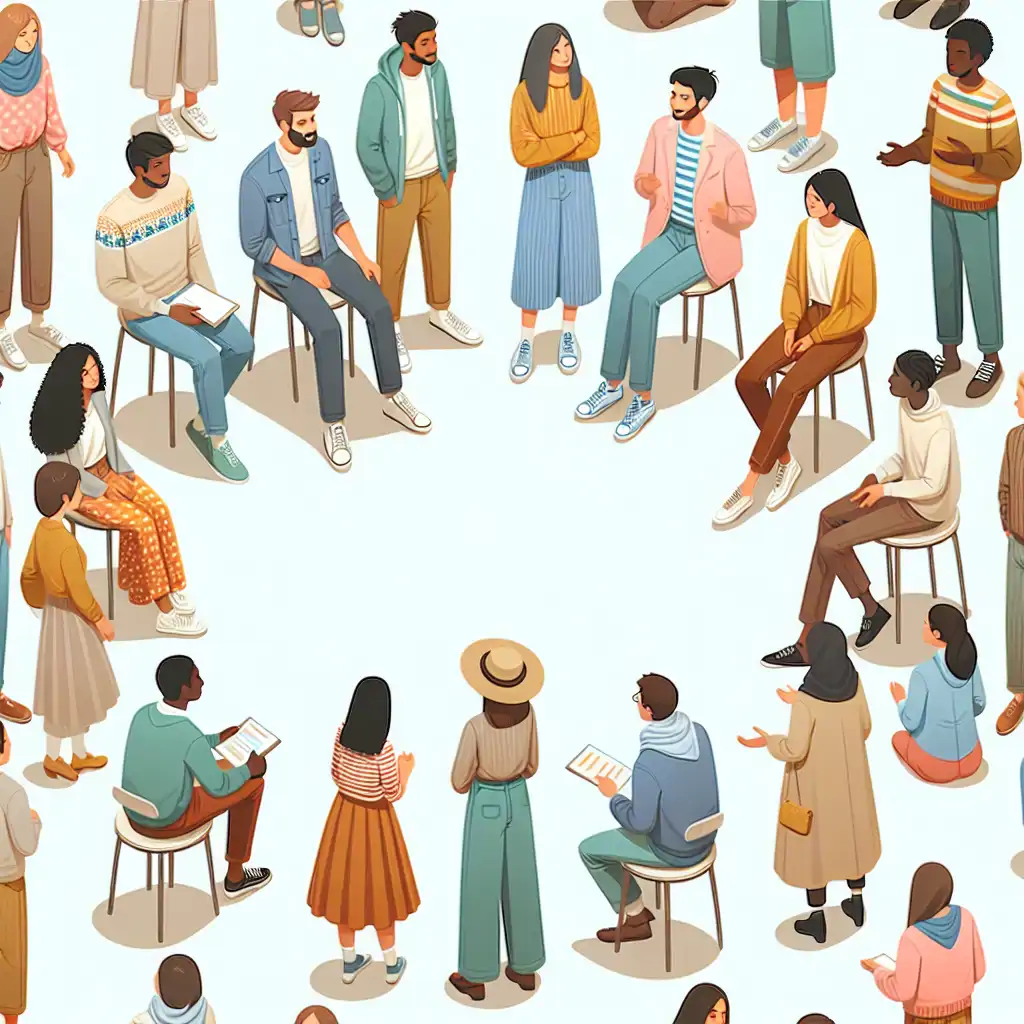
At first glance, bullying might appear as nothing more than a personal scuffle—an unfortunate clash between an instigator and their target. However, look a bit closer, and you’ll find an interwoven tapestry of negative interactions fraying at the social fabric. Schools are often the first arenas where the effect of bullying is felt. Not only can it diminish a child’s sense of belonging, but it can also foster an atmosphere of fear which stifles learning and personal growth. Students, educators, and even parents find themselves walking on eggshells, hesitant to speak up for fear of drawing attention.
Take a hypothetical high school scenario. Sarah, the new student, experiences bullying because of her unusual fashion sense. While the acts appear to be confined to her, the entire school can sense the change. Classmates who are bystanders may choose silence over support, unwilling to risk becoming the next target. Teachers may not notice subtle shifts, but the overall environment becomes oppressive. Like an invisible fog, this tension stifles laughter, reduces group collaborations, and slowly chips away at joy. It's much like everyone following an unwritten rulebook titled "The Unspoken Code of Fear."
Workplaces are not impervious to this ripple effect either. Imagine Dave, an office employee, constantly belittled by his manager over minor mistakes. His decreased morale isn't just bad for his personal well-being; it sends an emotional shockwave that touches his colleagues, dampening team spirit and cooperation. Productivity suffers, and the once vibrant office culture starts resembling a graveyard, silent and devoid of motivation. It's as if everyone loses a bit of their spark, slowly succumbing to a shadowed existence.
Even neighborhoods can become hotspots of tension due to bullying. Communities are often built on shared trust, camaraderie, and mutual respect. When individuals within those communities engage in bullying, the harmony is disrupted. Children might grow up learning the "might makes right" philosophy if nobody intervenes, while adults may prefer to look the other way rather than confronting the issue directly. The result is a fractured community where divisions replace friendships and mistrust becomes the default setting.
Our journey would be incomplete without addressing the psychological toll. Bullying can exacerbate feelings of anxiety and depression—both in victims and bystanders. Relationships strain as communication fizzles out; households might even find themselves divided over how to approach delicate situations. The need to "just get along" could lead to internal compromises that leave individuals emotionally drained. In a tragic twist, everyone becomes a victim of the same narrative, locked within a cycle of fear and resentment.
One might wonder, "What's the solution? Is the doom and gloom inevitable?" Hold onto your humorous hats because solutions, just like pesky mosquitoes during summer BBQs, abound if we look hard enough. Building a supportive community begins with small, intentional actions. Start with open dialogues—host community sessions that encourage stories and experiences to be shared without judgment. The act of storytelling becomes a double-barreled cannon against isolation; it validates individual experiences and teaches empathy.
Consider role-playing exercises that schools and workplaces can implement. Facilitated activities that encourage participants to step into each other's shoes can honestly bridge gaps—imagine a teacher donning a student's perspective or a manager understanding a subordinate's daily challenges. Role-play may sound like child's play, but its educational prowess knows few bounds.
'Buddy Systems' can be introduced in schools to cultivate partnerships between older and younger students to foster connections. This fosters a sense of responsibility and belonging, nurturing leaders who uplift rather than belittle. Adults too can benefit from mentorships, guiding colleagues or community members and investing in each other's personal growth.
Social networks aren't just for sharing cat videos (although who doesn’t love a good cat video?), they can serve as platforms for advocacy and support too. Encourage community members to take the conversation online—establish 'bully-free zones' through digital pledges, spreading awareness through creative memes, and crafting digital newsletters. Online campaigns can sometimes achieve a reach that physical efforts struggle to match.
Importantly, education should not be confined to the classroom or the workplace; it permeates through every interaction. Communities must invest in programs that teach resilience, conflict resolution, and active listening. These tools arm individuals with the capability to confront bullying in constructive, non-combative ways. Think of it as leveling up in a video game; repetitive engagement leads to mastery.
Now, let’s dive into an amusing yet revealing twist—praise. When you dish out bread crumbs of positivity (a verbal affirmation here, a compliment there), the effect is like witnessing magic. Encouraging and recognizing kindness cultivates an environment where negative behaviors stand out like a sore thumb, and everyone suddenly becomes a guardian of the garden. 'Random acts of kindness' don't have to remain random when they blossom consistently, enough to change communal seasons from winter to spring.
The art of communal vigilance isn't about citizen policing; it's about developing a culture of alert empathy. When community members learn to recognize the subtle signs of bullying early, and intervene safely and promptly, they become custodians of mutual well-being. Offer training sessions to enhance these skills and make ‘watchfulness’ trendy, like bringing back bell-bottom jeans, but with a more immediate impact.
An unintended side effect of addressing bullying on a communal scale is the nurturing of leaders rather than followers. Individuals who are encouraged to participate actively in anti-bullying initiatives develop agency—and before you realize it, you've mushrooms of leadership sprouting across age groups. It's the panacea of empowerment that motivates further initiatives, spreading ripples of positive change.
Enter humor, because nothing defuses tension like a well-timed witty remark or a light-hearted joke. Introducing a dash of humor into anti-bullying campaigns doesn’t trivialize the issue; it humanizes it, breaking barriers, and making topics of empathy and understanding relatable. Humorous skits or cartoons can offer nuanced insights into otherwise difficult conversations, while comedy nights could improve community engagement.
Of course, the backbone of any successful campaign is clearly defined goals. To ensure sustainable change, communities must set realistic expectations, figure out measurable outcomes, and be willing to celebrate small victories along the way. Success isn’t just about complete eradication; it’s about consistent improvement—like turning the Titanic just before impact.
Policies are the manuals that guide collective behavior. Whether it’s in schools, workplaces, or community centers, robust policies that outline clearly defined consequences for bullying behaviors are essential. Emphasize restorative justice while holding individuals accountable; understand that people can learn and evolve with the right support systems.
Lest we forget, formal training sessions are valuable, but informal interactions define community culture. Encouraging individuals to frequently engage, share meals, and partake in group activities translates into fostering deeper connections that naturally counteract bullying. Breaking bread, for instance, isn’t just about carbs; it’s about bridging divides.
To sustain the momentum, get everyone involved—businesses, non-profit organizations, religious establishments, and local administrations. Everybody has a part to play, and collective involvement ensures that initiatives don’t just remain flash-in-the-pan successes but become ingrained behavioral pathways.
For those blessed with artistic inclinations, utilize art. Murals, poetry slams, theater, and any form of creative expression can serve as poignant resistance to bullying. Art defies rational explanations and speaks directly to the soul, kindling a collective commitment while inspiring individual introspection.
Navigating the pathway to a bully-free world isn’t devoid of obstacles. However, optimism works as a formidable ally. Recognize setbacks as part of the journey rather than a destination. Channeling the spirit of tenacity leads to more cohesive communities equipped with the resilience to manage future challenges.
All this talk of unity and resistance might sound idealistic, but communal harmony mirrors a potluck dinner where everyone contributes. Bring your determination, empathy, and creativity to the buffet table, where each person's input adds a flavor to the delightful mish-mash we call society.
Take note: recognition prompts replication. To sustain ongoing efforts, communities must recognize achievements—create monthly awards for most significant community contributions or host annual events acknowledging anti-bullying initiatives. As accolades multiply, others will be inspired to join the movement, motivated by the promise of a more harmonious environment.
A combination of age-old practices and innovative modern tactics presents an exciting roadmap toward a bully-free utopia. From meditative programs that focus on self-awareness along to virtual reality initiatives recreating real-time scenarios, a mixture of tradition and technology creates holistic environments with ample support.
Success stories, though maybe small at first, can initiate strong catalyzers for change. We need Sean, who once was bullied, becoming team captain for the soccer team and crediting his success to community support. Such tales reinforce the idea of limitless possibility—and provoke ripple effects of inspiration.
We often focus on bullying victims without considering the prospects of reforming bullies. Interestingly, many bullies were once victims themselves. Extending empathy toward their transformation can create pathways for rehabilitation, reducing overall conflict and propelling community unity.
Conclusively, the effervescent fusion of empathy, education, engagement, and creativity lays the foundation for a healthier society. Individuals must become active participants, instead of passive observers, walking ambitiously toward collective aspirations. It is through concerted efforts that communities transition from being disjointed collections to unified wholes.
Like a maestro orchestrating a grand symphony, each person contributes to the collective harmony. The composition may feature diverse instruments and striking dynamics, but as they blend, dissonance gives way to resonance, establishing an overarching melody—a cadence of understanding shared by all.
As communities engage in an unfolding evolutionary process, remember that efforts are akin to nurturing a plant—initial struggles may seem stubborn, but with perseverance and love, they flourish into verdant gardens, basking in the sunlit promise of unity, harmony, and respect. The ripples transform into waves, carrying us toward a nurturing tomorrow.

As we draw this enlightening journey to a close, it's crystal clear that bullying is not just a private duel relegated to dark corners and whispers. Its tendrils weave through communities, altering landscapes and dynamics unless collectively addressed. The ripples of bullying can be transformed into waves of positivity, provided communities unite under banners of kindness, empathy, and decisive action. By nurturing inclusivity, encouraging narratives, and investing in holistic education, harmony isn’t just a dream—it's a tangible reality within our grasp.
We've danced through practical strategies, from storytelling and role-play activities to artistic expressions and team-building efforts. What's apparent, however, is that every individual holds power—by assuming the roles of advocates rather than silent onlookers. Community initiatives, when grounded in empathy, have the potential to redefine relationships from wary glances to enduring bonds, laying the foundation for a healthier and more empathetic society.
As proactive engagement and collective empathy replace ignorance and indifference, find comfort in knowing that every small effort counts. Every act of kindness, every shared laugh, and every understanding nod incrementally contributes to a lasting cultural evolution. Let's harness these ripples, transforming them into waves of change that gently lap at the shores of communal growth. Together, we deliver a promise—a brighter, inclusive future embracing everyone for who they are.
Thanks for taking the time to read my article! You may also find this one interesting.
Whispering Woes: Unpacking the Silent Treatment in BullyingTil next time! Prijanka

Prijanka
Prijanka is a wellness coach and inspired blog writer. Drawing from her expertise in holistic health and her talent for motivating others, she writes insightful articles that empower readers to live healthier, more balanced lives, blending practical advice with a genuine passion for well-being.
A proud member of the B-Team
If you're curious to dive deeper into related topics, then you may find these external links useful.
1. StopBullying.gov
A government resource providing comprehensive information on bullying, including its effects and prevention strategies, aligning with the content's focus on understanding and addressing bullying in communities.
https://www.stopbullying.gov/2. National Bullying Prevention Center
Offers tools and resources for preventing bullying and building inclusive schools, supporting the article's emphasis on creating empathetic environments in educational settings.
https://www.pacer.org/BULLYING/3. Workplace Bullying Institute
Focuses on bullying in the workplace with strategies for employees and employers, complementing the text's discussion on bullying dynamics in professional environments.
https://workplacebullying.org/4. Cyberbullying Research Center
Covers the impact and prevention of bullying in digital spaces, relevant to the content's acknowledgment of social networks as tools for anti-bullying advocacy.
https://cyberbullying.org/5. The Trevor Project
An organization devoted to crisis intervention and suicide prevention for LGBTQ+ youth, relevant to the text's emphasis on nurturing empathy and inclusivity for all community members.
https://www.thetrevorproject.org/©2023 - 2026 SP Software Solutions Ltd. All rights reserved.